
Introduction
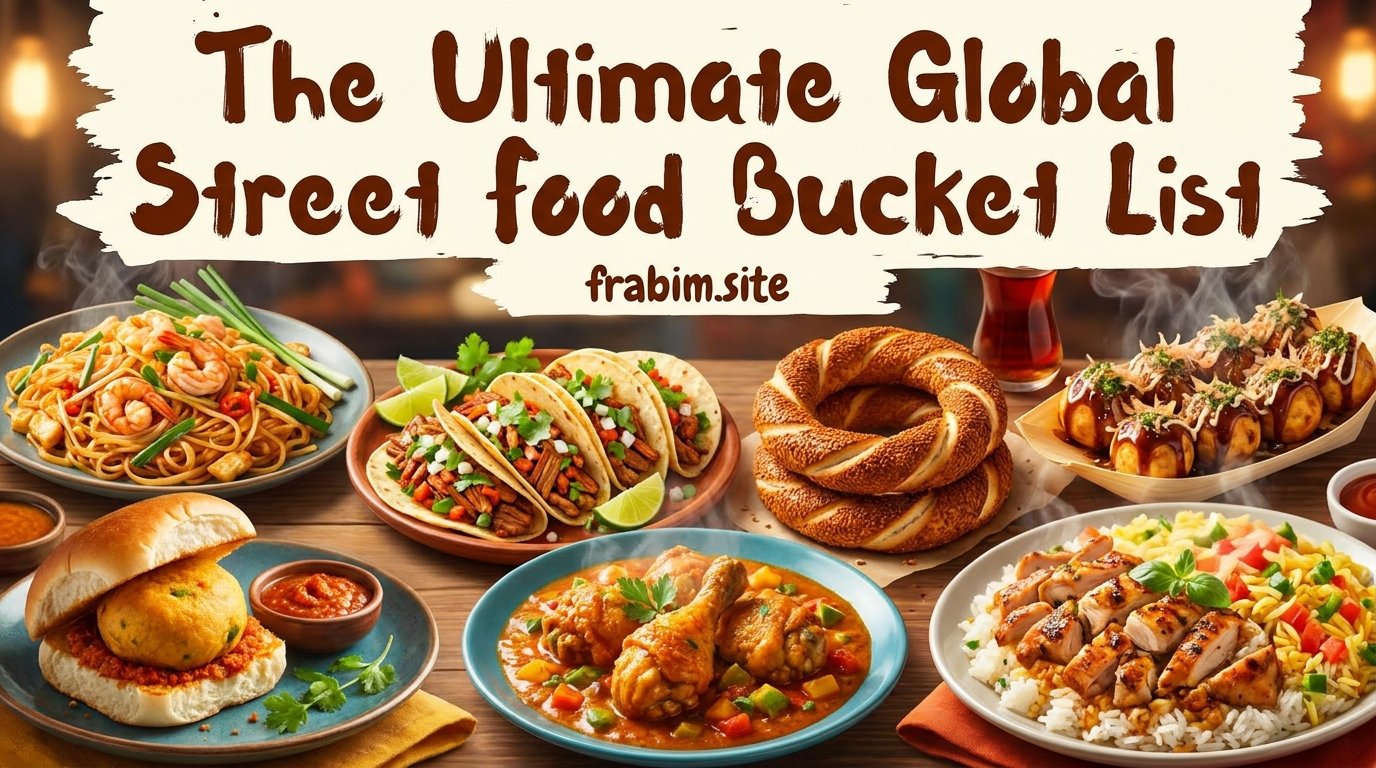
Street food is the most honest form of cooking in the world. There’s no white tablecloth, no wine list, no chef’s tasting menu — just a hot grill, a few generations of family recipe, and a line of hungry locals who know exactly where to find the best bite in town. This guide takes you on a tour of the planet’s most iconic street eats, from Bangkok’s smoky night markets to Mexico City’s taco stands, so you can build your own bucket list before your next trip.
What Makes Street Food So Special?
Street food sits at the intersection of culture, economy, and craft. A few things set it apart from restaurant dining:
- Authenticity — recipes are often unchanged for generations, passed down within families or communities rather than reinvented for tourists.
- Speed and skill — vendors perfect a single dish over years, sometimes decades, achieving a level of technical mastery that’s hard to replicate in a full kitchen.
- Affordability — street food is, by design, food for everyday people, which keeps prices low and portions generous.
- Social connection — eating standing up at a cart or perched on a plastic stool puts you shoulder to shoulder with locals in a way a hotel restaurant never will.
- A direct line to local identity — what a city eats on the street often tells you more about its history, migration patterns, and climate than any museum.
Top Street Foods Around the World
1. Pad Thai — Thailand
Country of Origin: Thailand (popularized nationally in the 1930s–40s as part of a government campaign to promote noodle dishes).
Ingredients Used: Rice noodles, eggs, tofu or shrimp, bean sprouts, garlic chives, crushed peanuts, tamarind paste, fish sauce, palm sugar, lime.
How It Is Traditionally Prepared: Cooked fast in a well-seasoned wok over high heat — noodles are soaked (not boiled), then stir-fried with egg, protein, and sauce in a matter of minutes, finished with fresh herbs and a lime wedge.
Taste and Flavor Profile: A balance of sweet, sour, salty, and umami — tamarind brings tang, palm sugar rounds it out, fish sauce adds depth, and lime brightens everything at the end.
Best Places to Try It: Bangkok’s Chinatown (Yaowarat Road), Thip Samai (often called the “Pad Thai Ambassador”), and virtually any night market cart with a well-worn wok.
Cultural Importance: Pad Thai became a symbol of Thai national identity during a 20th-century push for self-sufficiency and a unified national cuisine, and remains one of the country’s most recognized culinary exports.
Health and Nutrition Facts: A typical serving runs 400–600 calories depending on protein and oil used; it offers a reasonable mix of carbs, protein, and vegetables, though sugar and sodium content can be high.
Average Price: 40–60 Thai baht (roughly $1–2 USD) from a street cart.
2. Tacos al Pastor — Mexico
Country of Origin: Mexico City, with roots tracing to Lebanese immigrants who introduced spit-roasted meat techniques in the early 20th century.
Ingredients Used: Marinated pork (achiote, dried chilies, pineapple, vinegar), corn tortillas, onion, cilantro, pineapple, salsa.
How It Is Traditionally Prepared: Thin layers of marinated pork are stacked on a vertical spit (trompo) and roasted, shaved off in thin slices straight onto warm tortillas, then topped with diced onion, cilantro, and a sliver of pineapple.
Taste and Flavor Profile: Smoky, slightly sweet, and tangy, with a gentle chili heat and char from the spit.
Best Places to Try It: El Huequito and Los Cocuyos in Mexico City are local legends; any taqueria with a visible trompo spinning out front is a good sign.
Cultural Importance: Tacos al pastor represent one of Mexico’s clearest examples of culinary fusion, blending Middle Eastern shawarma technique with native Mexican ingredients.
Health and Nutrition Facts: A few tacos average 300–500 calories total; pork provides protein and iron, while pineapple adds vitamin C, though sodium can add up with multiple servings.
Average Price: 15–25 pesos per taco (roughly $1 USD).
3. Banh Mi — Vietnam
Country of Origin: Vietnam, emerging during French colonial rule as a fusion of French baguette culture and Vietnamese ingredients.
Ingredients Used: A crusty baguette, pork pâté, grilled or roasted pork (or chicken), pickled carrots and daikon, cucumber, cilantro, chili, mayonnaise.
How It Is Traditionally Prepared: The baguette is split and lightly toasted, spread with pâté and mayo, then layered with protein and pickled vegetables for a crunchy, fresh contrast.
Taste and Flavor Profile: A layered mix of rich (pâté), savory (meat), tangy (pickles), and fresh (herbs), with a satisfying crunch from the bread and vegetables.
Best Places to Try It: Banh Mi Huynh Hoa in Ho Chi Minh City and the countless unnamed carts of Hanoi’s Old Quarter.
Cultural Importance: The sandwich is considered a symbol of Vietnam’s ability to absorb colonial influence and transform it into something distinctly its own.
Health and Nutrition Facts: Typically 400–550 calories per sandwich, with a good balance of protein, fiber from pickled vegetables, and carbs from the baguette.
Average Price: 15,000–25,000 VND (about $0.60–$1 USD).
4. Currywurst — Germany
Country of Origin: Berlin, Germany, invented in 1949 by Herta Heuwer.
Ingredients Used: Grilled or fried pork sausage, curry-spiced ketchup sauce, often served with fries.
How It Is Traditionally Prepared: The sausage is grilled or pan-fried, sliced into bite-sized pieces, and doused with a tomato-based sauce seasoned heavily with curry powder.
Taste and Flavor Profile: Smoky and savory from the sausage, with a sweet-tangy-spiced sauce that brings a subtle curry warmth.
Best Places to Try It: Curry 36 and Konnopke’s Imbiss in Berlin are the most famous stalls.
Cultural Importance: Currywurst became a post-war comfort food and a working-class staple, now considered a defining dish of Berlin street culture.
Health and Nutrition Facts: A typical portion with fries runs 500–700 calories; it’s high in protein but also fat and sodium, so best enjoyed as an occasional treat.
Average Price: €2.50–€4.
5. Falafel — Middle East (Egypt/Levant)
Country of Origin: Disputed between Egypt and the broader Levant region; widely eaten across the Middle East today.
Ingredients Used: Ground chickpeas or fava beans, garlic, onion, parsley, cilantro, cumin, coriander, served in pita with tahini, pickles, and salad.
How It Is Traditionally Prepared: Soaked (not cooked) legumes are ground with herbs and spices into a coarse paste, formed into balls or patties, and deep-fried until crisp outside and soft inside.
Taste and Flavor Profile: Earthy and herbaceous, with a crisp exterior giving way to a fluffy, spiced interior; tahini sauce adds nutty creaminess.
Best Places to Try It: Abu Tarek in Cairo, and the falafel stands lining Jerusalem’s Mahane Yehuda Market.
Cultural Importance: Falafel is a staple of daily life and a point of culinary pride and identity across multiple Middle Eastern nations.
Health and Nutrition Facts: Plant-based and high in fiber and protein from legumes, though frying adds significant fat and calories — a typical wrap runs 350–500 calories.
Average Price: $1–3 USD depending on country.
6. Jianbing — China
Country of Origin: Northern China, particularly associated with Tianjin and Shandong provinces.
Ingredients Used: Mung bean or wheat batter, egg, scallions, cilantro, crispy fried wonton cracker (baocui), hoisin sauce, chili sauce.
How It Is Traditionally Prepared: A thin batter is spread on a hot circular griddle, an egg is cracked and spread over it, then topped with sauces, herbs, and a crispy cracker before being folded into a compact rectangle.
Taste and Flavor Profile: Savory and slightly sweet, with a satisfying contrast between the soft crepe and the shattering crunch of the cracker.
Best Places to Try It: Breakfast stalls throughout Beijing and Tianjin, especially near office and university districts in the early morning.
Cultural Importance: Jianbing is a quintessential Chinese breakfast-on-the-go, eaten by millions of commuters daily.
Health and Nutrition Facts: Around 300–450 calories; provides protein from egg and some fiber from mung bean batter, though sauces add sugar and sodium.
Average Price: 6–10 RMB (about $1 USD).
7. Arepas — Venezuela and Colombia
Country of Origin: Indigenous to pre-Columbian populations in present-day Venezuela and Colombia.
Ingredients Used: Ground maize (corn) dough, water, salt, and a wide variety of fillings — cheese, shredded beef, black beans, avocado, chicken.
How It Is Traditionally Prepared: Corn dough is shaped into discs and grilled or fried until golden, then split open and stuffed with fillings, or eaten plain alongside a meal.
Taste and Flavor Profile: A mild, slightly sweet corn flavor with a crisp exterior and soft interior, taking on the character of whatever filling it carries.
Best Places to Try It: Caracas street stalls and Bogotá’s local arepa carts, where regional variations (sweet, savory, thick, thin) abound.
Cultural Importance: Arepas are considered a national symbol in both Venezuela and Colombia, central to daily meals and cultural identity.
Health and Nutrition Facts: A plain arepa is roughly 200 calories; gluten-free and a good source of carbohydrates, with nutrition varying widely based on filling.
Average Price: $1–2 USD.
8. Samosas — India
Country of Origin: South Asia, with roots tracing back to Central Asian and Middle Eastern pastries introduced via trade routes.
Ingredients Used: Wheat flour pastry, spiced potatoes, peas, onions, cumin, coriander, garam masala (meat fillings are also common regionally).
How It Is Traditionally Prepared: Dough is rolled, filled with a spiced potato mixture, folded into a triangular pocket, and deep-fried until golden and crisp.
Taste and Flavor Profile: Warmly spiced and savory, with a crisp, flaky shell and a soft, fragrant filling, often served with tangy tamarind or mint chutney.
Best Places to Try It: Old Delhi’s Chandni Chowk and Mumbai’s countless roadside stalls.
Cultural Importance: Samosas are a fixture of tea-time culture across South Asia and a near-universal snack at celebrations and gatherings.
Health and Nutrition Facts: A single samosa runs 250–300 calories; tasty but calorie-dense due to deep-frying, best enjoyed in moderation.
Average Price: 10–15 INR (about $0.15–0.20 USD).
9. Doner Kebab — Turkey
Country of Origin: Turkey, developed in the 19th century in the Ottoman Empire.
Ingredients Used: Marinated lamb, beef, or chicken, flatbread or pita, onions, tomatoes, lettuce, yogurt or garlic sauce.
How It Is Traditionally Prepared: Layers of marinated meat are stacked on a vertical rotisserie and slow-roasted, then shaved off in thin strips and wrapped in bread with vegetables and sauce.
Taste and Flavor Profile: Rich and savory with a deep char flavor, balanced by cool, tangy yogurt sauce and fresh vegetables.
Best Places to Try It: Istanbul’s Eminönü district and the kebab stalls surrounding the Grand Bazaar.
Cultural Importance: The doner kebab is one of Turkey’s most successful culinary exports, now a fixture of street food scenes across Europe.
Health and Nutrition Facts: A typical wrap is 500–700 calories, high in protein, though fat and sodium content vary with the cut of meat and sauces used.
Average Price: 30–50 Turkish lira (roughly $1–2 USD).
10. Poutine — Canada
Country of Origin: Quebec, Canada, originating in the late 1950s.
Ingredients Used: French fries, cheese curds, brown gravy.
How It Is Traditionally Prepared: Freshly fried potatoes are topped immediately with fresh cheese curds and hot gravy, which slightly melts the curds while keeping their signature squeak.
Taste and Flavor Profile: Rich, salty, and savory, with a satisfying textural contrast between crisp fries, gooey curds, and smooth gravy.
Best Places to Try It: La Banquise in Montreal is the most iconic stop, alongside countless casse-croûte roadside stands across Quebec.
Cultural Importance: Poutine has grown from a regional curiosity into a proud national dish, representing Quebecois identity on the global stage.
Health and Nutrition Facts: A hearty serving can run 700–900+ calories; indulgent and high in fat and sodium, best treated as an occasional comfort food.
Average Price: CAD $6–10.
Tips for First-Time Visitors
- Follow the lines. A long queue of locals is the single best signal of quality — and turnover means fresher food.
- Go where it’s busy, not where it’s pretty. Tourist-facing stalls with English menus are often less authentic and more expensive than the unassuming cart around the corner.
- Carry small bills. Street vendors rarely break large notes, and exact change keeps transactions quick.
- Learn a few key phrases. Knowing how to say “not spicy,” “no cilantro,” or “to go” in the local language goes a long way.
- Eat at peak hours. Vendors specializing in breakfast, lunch, or late-night dishes are at their best during their designated window, when ingredients are freshest.
- Start small. Order modest portions from a few different stalls rather than committing fully to one, so you can sample more of the scene.
Food Safety Tips When Eating Street Food
- Choose busy stalls with high turnover — food that’s freshly cooked and quickly sold is less likely to have sat out.
- Watch the cooking process. Vendors who cook food to order in front of you, especially at high heat, are generally safer than pre-made items sitting at room temperature.
- Check ice and water sources in regions where tap water isn’t safe to drink, since ice made from untreated water can carry the same risks.
- Avoid raw garnishes like unwashed lettuce or fresh-cut fruit in areas with uncertain water sanitation, unless prepared in front of you.
- Carry hand sanitizer and use it before eating, since most street food is eaten without utensils.
- Ease in gradually if you have a sensitive stomach — try smaller portions on your first day before fully diving in.
- Pack basic remedies such as oral rehydration salts and an anti-diarrheal medication for peace of mind on longer trips.
Interesting Facts
- Bangkok and Singapore both have street food stalls that have earned Michelin recognition — including Singapore’s Hawker Chan, once the world’s cheapest Michelin-starred meal.
- The word “kebab” predates the Ottoman Empire by centuries, with roots in ancient Persian and Arabic cooking traditions.
- Mexico City is estimated to have tens of thousands of street food stalls and carts, making it one of the densest street food cities on Earth.
- Many iconic “national” street foods, including poutine and currywurst, were invented relatively recently — in the 20th century — showing how quickly street food traditions can take root.
- Some cities, like Singapore, have built permanent hawker centers specifically to formalize and preserve street food culture, several of which are now UNESCO-recognized as Intangible Cultural Heritage.
Frequently Asked Questions (FAQ)
Is street food safe to eat while traveling? Generally yes, especially at busy, high-turnover stalls where food is cooked fresh in front of you. Use common-sense precautions around water sources and hygiene.
How do I find the best street food in an unfamiliar city? Look for long local lines, ask hotel staff or residents for recommendations, and explore neighborhoods known for food markets rather than tourist centers.
Is street food usually cheaper than restaurant food? Yes — street food is typically a fraction of restaurant prices, often costing $1–3 USD per dish, since vendors have lower overhead.
Can vegetarians and vegans find street food options? Absolutely. Dishes like falafel, samosas (without meat fillings), and many noodle and vegetable-based dishes are widely available, though it’s worth confirming ingredients like fish sauce or ghee.
Should I tip street food vendors? Tipping customs vary by country and aren’t generally expected for street food, though rounding up or leaving small change is appreciated in many places.
Conclusion
Street food is one of the purest windows into a culture’s history, resourcefulness, and flavor — often more revealing than any fine-dining experience. Whether it’s the smoky char of tacos al pastor in Mexico City or the crisp shatter of a jianbing cracker in Beijing, each dish on this list tells a story passed down through generations of vendors perfecting their craft one cart at a time. Use this bucket list as a starting point, but the real adventure is in following your nose down an unfamiliar street and seeing where the longest line leads.






Leave a Reply