
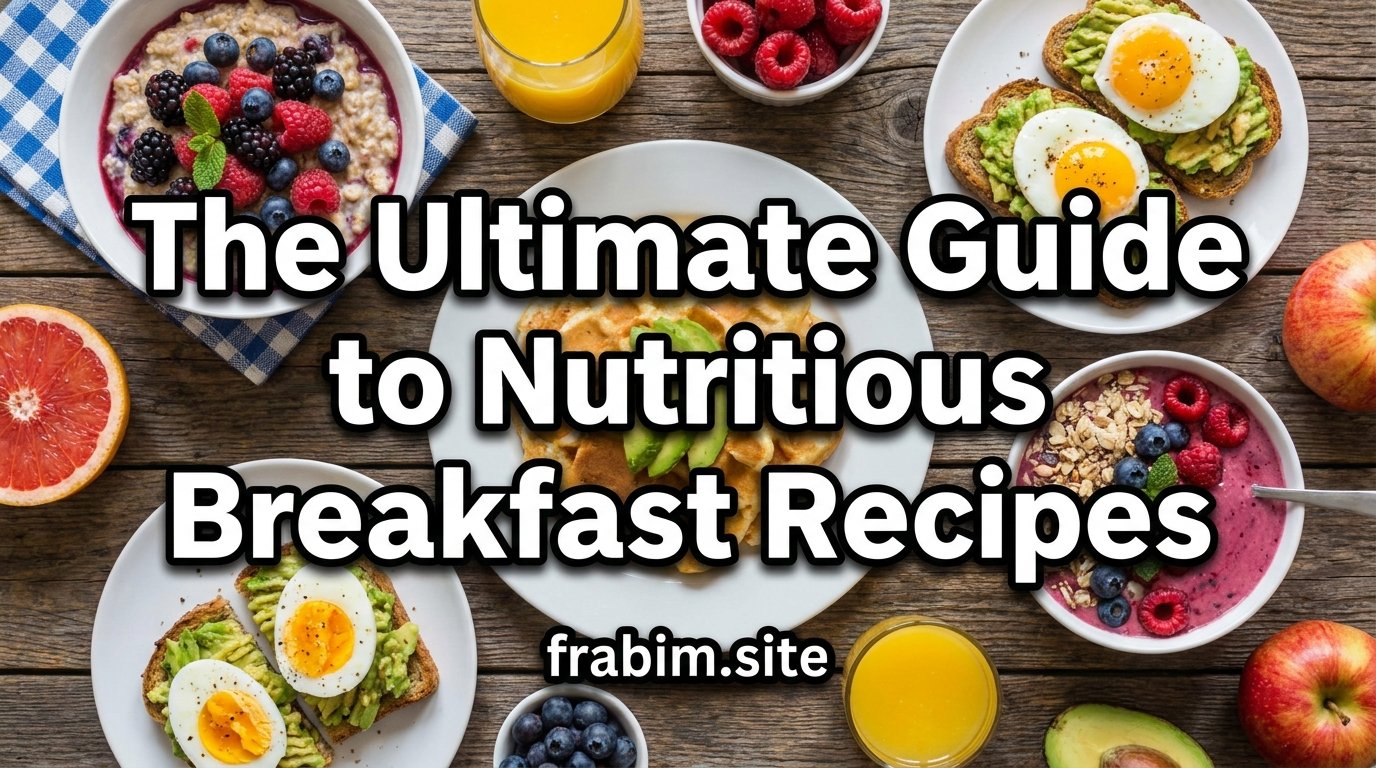
1. Introduction
Breakfast has a reputation problem. Some people swear by it, others skip it entirely, and somewhere in between is a mountain of conflicting advice about what actually belongs on your morning plate. This guide cuts through the noise. Whether you’re feeding a family before the school run, fueling up before a workout, or just trying to stop grabbing a pastry on your way out the door, you’ll find practical, nutritious recipes and real strategies here — not just theory.
2. Why a Nutritious Breakfast Matters
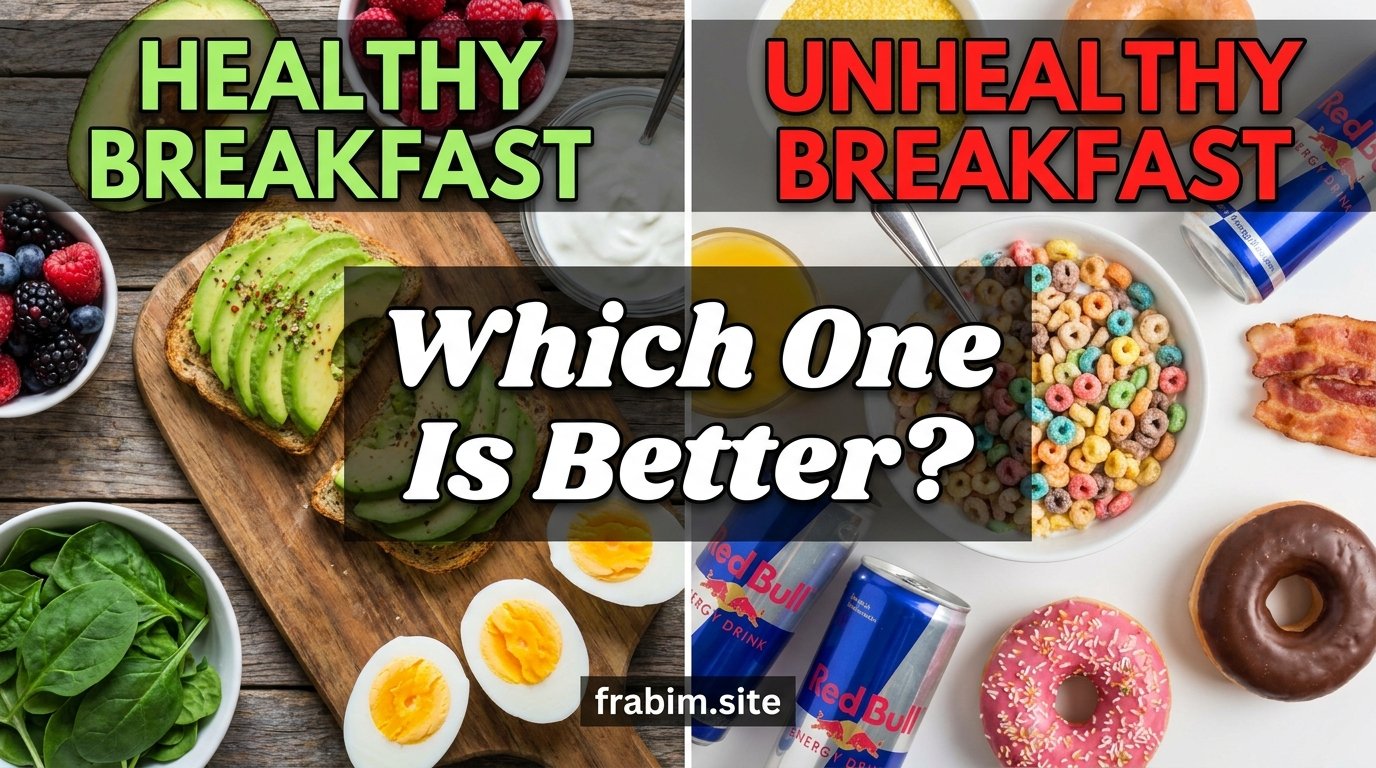
After 7-9 hours without food, your body wakes up in a mildly fasted state. What you eat first sets the tone for blood sugar stability, energy levels, and even appetite regulation for the rest of the day. A breakfast built on refined sugar and little else (think: a donut and a large juice) tends to produce a sharp glucose spike followed by a crash — leaving you tired and hungry again by mid-morning. A breakfast with protein, fiber, and healthy fats digests more slowly, keeping energy and focus steadier for longer.
This doesn’t mean breakfast is mandatory for everyone — some people do perfectly well with intermittent fasting or a later first meal. But if you’re eating breakfast, making it count nutritionally has real, measurable benefits.
3. Essential Nutrients for a Healthy Breakfast
A well-rounded breakfast typically includes a mix of the following:
- Protein – eggs, Greek yogurt, cottage cheese, tofu, nut butters, or lean meats. Protein promotes satiety and supports muscle maintenance.
- Fiber – oats, whole grains, fruits, vegetables, chia or flax seeds. Fiber slows digestion and helps regulate blood sugar.
- Healthy fats – avocado, nuts, seeds, olive oil. Fats aid nutrient absorption and add satisfying richness.
- Complex carbohydrates – whole grains, fruit, legumes. These provide sustained energy release, unlike refined sugars.
- Vitamins and minerals – especially iron, calcium, B vitamins, and vitamin C, often found in fruits, vegetables, and fortified grains.
A good rule of thumb: aim for at least two of these categories — ideally three — in every breakfast.
4. Benefits of Eating a Balanced Breakfast
- Stable energy levels — avoids the sugar-crash cycle
- Better concentration — especially important for kids and anyone doing focused morning work
- Improved appetite control — protein and fiber reduce mid-morning cravings
- Supports metabolic health — regular, balanced meals help regulate blood sugar and insulin response over time
- Nutrient intake — breakfast is a good opportunity to fit in fruits, whole grains, and dairy or dairy alternatives that might otherwise get missed
5. Quick and Easy Nutritious Breakfast Recipes
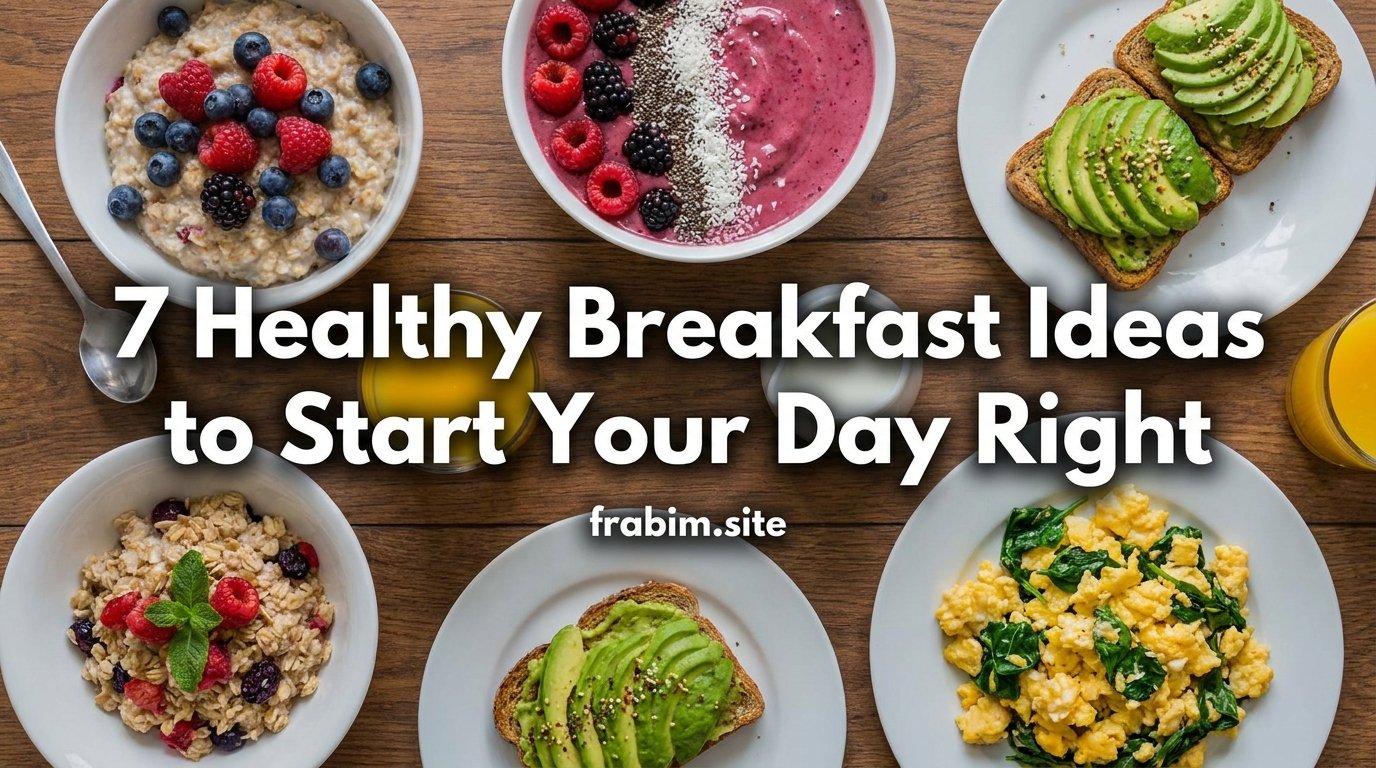
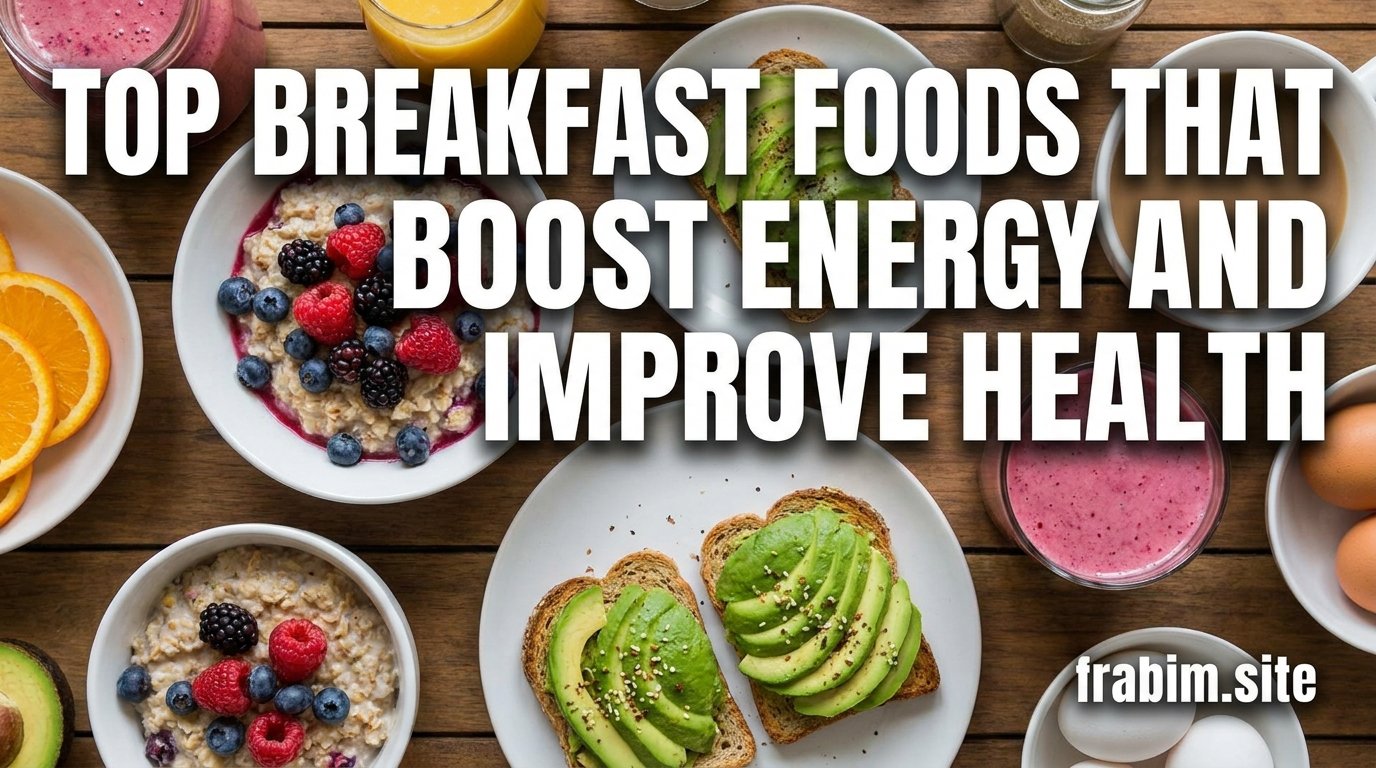
Overnight Oats Combine ½ cup rolled oats, ¾ cup milk (dairy or plant-based), 1 tbsp chia seeds, and a spoonful of yogurt in a jar. Refrigerate overnight. Top with berries and a drizzle of honey in the morning.
Greek Yogurt Parfait Layer Greek yogurt, granola, and mixed berries in a glass. Takes under 5 minutes and delivers protein, fiber, and antioxidants.
Avocado Toast with Egg Mash half an avocado onto whole-grain toast, top with a fried or poached egg, a pinch of salt, chili flakes, and lemon juice.
Smoothie Bowl Blend a frozen banana, a handful of spinach, ½ cup Greek yogurt, and a splash of milk. Pour into a bowl and top with nuts, seeds, and sliced fruit.
Peanut Butter Banana Toast Spread natural peanut butter on whole-grain toast, top with banana slices and a sprinkle of cinnamon.
6. High-Protein Breakfast Ideas
- Veggie Egg Muffins – whisked eggs baked in a muffin tin with spinach, bell peppers, and feta. Make a batch and reheat all week.
- Cottage Cheese Bowl – cottage cheese topped with pineapple or peaches and a sprinkle of flaxseed.
- Protein Pancakes – blend oats, cottage cheese or protein powder, eggs, and a banana; cook like regular pancakes.
- Tofu Scramble – crumbled tofu sautéed with turmeric, nutritional yeast, and vegetables for a plant-based, protein-rich option.
- Smoked Salmon and Eggs – scrambled eggs with smoked salmon and a side of whole-grain toast.
7. Healthy Vegetarian Breakfast Recipes
- Chickpea Flour Omelet – a vegan alternative to eggs, seasoned with turmeric and black salt for an “eggy” flavor.
- Vegetable Upma – a savory semolina dish cooked with mustard seeds, curry leaves, and mixed vegetables — a popular South Asian breakfast staple.
- Shakshuka – eggs poached in a spiced tomato and pepper sauce, served with crusty bread.
- Whole-Grain Waffles with Fruit Compote – top with a homemade berry compote instead of syrup for less added sugar.
- Sprouted Moong Salad – sprouted mung beans tossed with chopped tomato, onion, lemon juice, and chaat masala.
8. Low-Calorie Breakfast Options
- Egg White Veggie Scramble – egg whites cooked with spinach, mushrooms, and tomatoes (roughly 150-200 calories).
- Berry and Yogurt Bowl – low-fat Greek yogurt with a cup of mixed berries.
- Vegetable Omelet, No Cheese – two eggs with diced vegetables, cooked in minimal oil.
- Chia Pudding – chia seeds soaked in unsweetened almond milk, topped with a few slices of fruit.
- Rice Cakes with Cottage Cheese and Cucumber – a light, crunchy option under 200 calories.
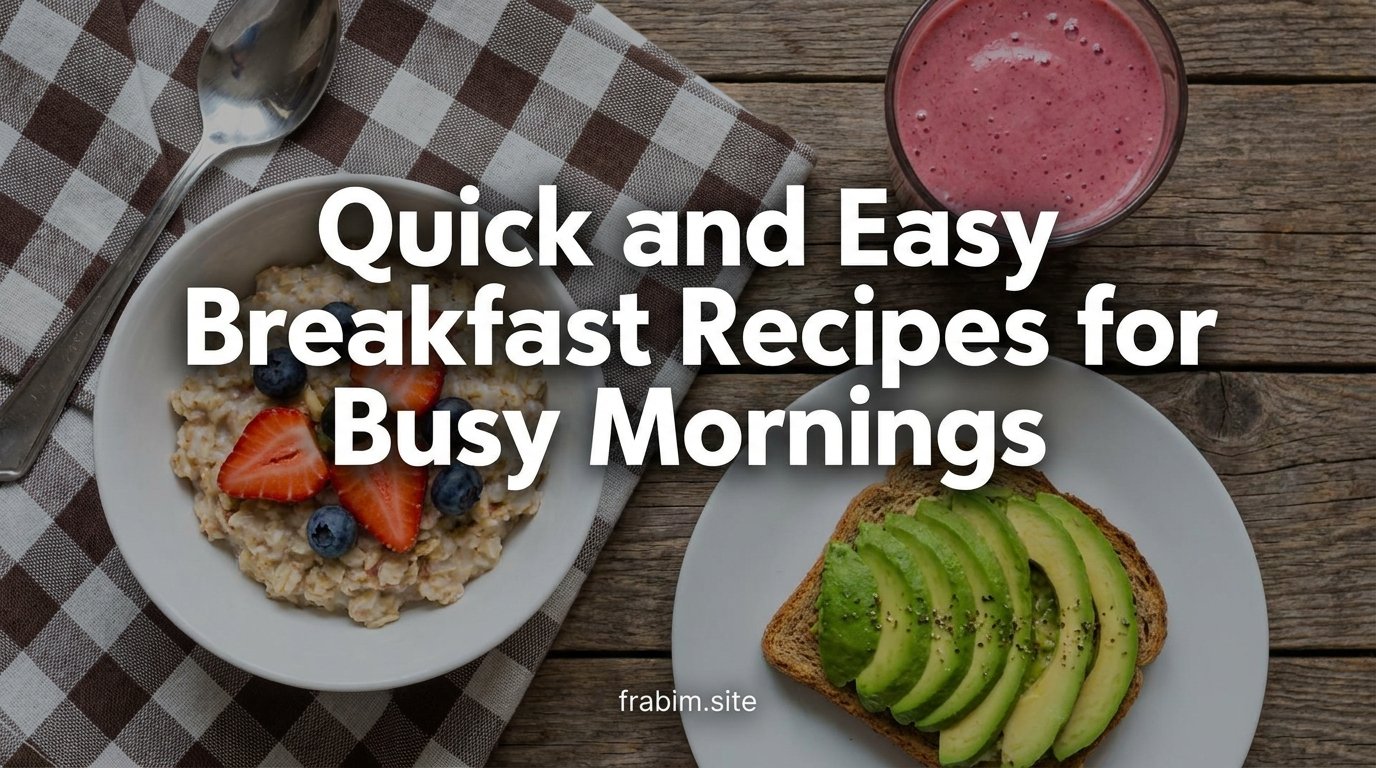
9. Breakfast Recipes for Busy Mornings
- Grab-and-Go Muffin Cups – batch-baked egg muffins or oat muffins that keep in the fridge for up to five days.
- Pre-Made Smoothie Packs – freeze portioned fruit and greens in bags; blend with liquid in the morning in under 2 minutes.
- No-Cook Overnight Oats – prepared the night before, ready to grab straight from the fridge.
- Nut Butter and Banana Wrap – spread nut butter on a whole-wheat tortilla, add banana slices, roll up and go.
- Hard-Boiled Eggs + Fruit – boil a batch of eggs on Sunday for a protein source that needs zero prep during the week.
10. Family-Friendly Healthy Breakfast Ideas
- DIY Yogurt Parfait Bar – set out yogurt, granola, and fruit and let kids build their own.
- Mini Whole-Wheat Pancakes – freeze extras and toast them on busy mornings.
- Baked Oatmeal Bars – a sheet-pan oatmeal bake with mashed banana, berries, and a touch of honey, cut into bars.
- Breakfast Quesadillas – scrambled eggs, cheese, and black beans folded into a whole-wheat tortilla.
- Fruit and Nut Butter “Sushi” – nut butter and banana rolled inside a tortilla, then sliced into rounds — a fun presentation for younger kids.
11. Foods to Avoid at Breakfast
- Sugary cereals – often high in added sugar with minimal fiber or protein
- Pastries and donuts – high in refined flour and sugar, low in nutrients
- Sweetened fruit juices – concentrated sugar with little to no fiber
- Processed breakfast meats – bacon and sausage in excess are high in sodium and saturated fat
- White bread/bagels alone – refined carbs without protein or fiber lead to quick energy crashes
These foods aren’t strictly “off-limits” — moderation is key — but they shouldn’t form the foundation of a regular breakfast.
12. Common Breakfast Mistakes and How to Avoid Them
- Skipping protein — leads to hunger returning quickly. Fix: always include an egg, yogurt, or nut butter.
- Relying on coffee alone — caffeine on an empty stomach can cause jitteriness or acid reflux for some people. Fix: pair coffee with actual food.
- Overdoing “healthy” processed snacks — granola bars and flavored yogurts can be sugar-heavy despite health marketing. Fix: check labels, or make your own.
- Portion sizes too small — a light breakfast can leave you starving and prone to overeating later. Fix: build a meal that includes at least 300-400 calories with protein and fiber.
- Not prepping ahead — busy mornings often default to nothing or fast food. Fix: batch-prep on weekends.
13. Tips for Planning a Healthy Breakfast
- Prep on weekends – overnight oats, muffins, and hard-boiled eggs all keep well for several days.
- Keep a stocked pantry – oats, nut butters, canned beans, and frozen fruit make quick assembly easy even with no fresh groceries.
- Think in categories, not recipes – combine one protein + one fiber source + one fruit or vegetable, and you’ll rarely go wrong.
- Rotate a weekly menu – having 5-7 go-to breakfasts prevents decision fatigue and food boredom.
- Adjust portions to your day – a heavier workout or busy day may call for a bigger breakfast than a sedentary one.
14. Frequently Asked Questions (FAQs)
Is breakfast really the most important meal of the day? Not necessarily more important than lunch or dinner — but for many people, it plays a key role in maintaining stable energy and preventing overeating later in the day.
Can I skip breakfast and still be healthy? Yes, for many people. Intermittent fasting and skipping breakfast can be perfectly healthy approaches, as long as overall nutrient intake across the day is adequate.
What’s a good breakfast for weight loss? A high-protein, high-fiber breakfast (like eggs with vegetables, or Greek yogurt with berries) tends to support satiety and reduce snacking later.
Is fruit alone a good breakfast? Fruit alone provides quick energy and vitamins but lacks protein and fat, so it typically won’t keep you full for long. Pairing it with yogurt or nuts is more balanced.
How much protein should breakfast have? A general target is 20-30 grams, though this varies based on individual needs and activity level.
15. Conclusion
A nutritious breakfast doesn’t need to be complicated or time-consuming. The core principle is simple: combine protein, fiber, and healthy fats, and build meals you can realistically repeat on busy mornings. Whether you’re cooking for one or feeding a whole family, small, consistent choices — a handful of nuts here, an extra egg there — add up to real benefits in energy, focus, and long-term health. Use the recipes and tips in this guide as a flexible starting point, and adjust based on what fits your lifestyle and taste.






Leave a Reply