
Introduction
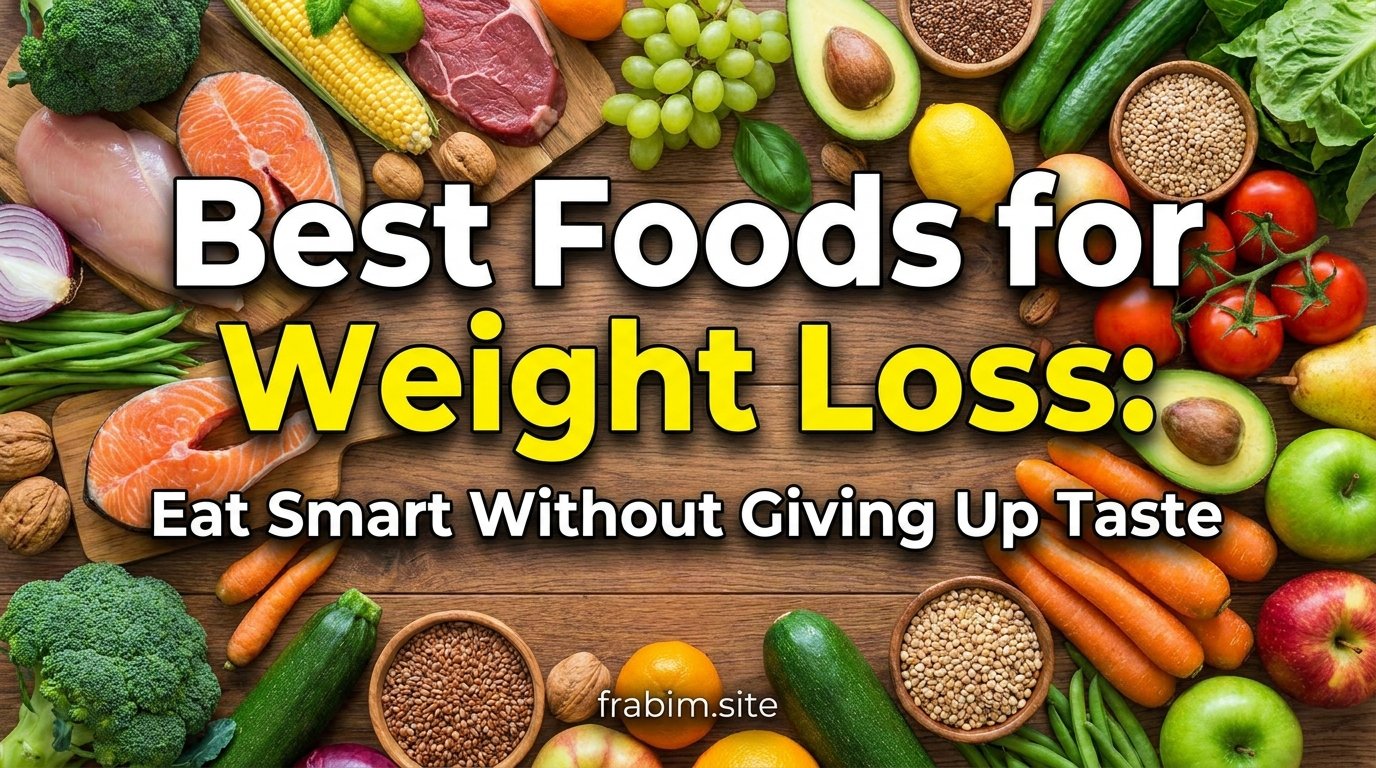
Weight loss doesn’t have to mean bland meals, constant hunger, or a life sentence of salad. The truth is, some of the most effective foods for weight loss are also genuinely delicious, filling, and easy to build a meal around. The key isn’t starvation — it’s choosing foods that keep you satisfied on fewer calories, support steady energy, and make healthy eating feel sustainable rather than punishing.
This guide walks through seven foods backed by nutrition science, why they work, and how to enjoy them without feeling like you’re on a diet at all.
Why Food Choice Matters for Weight Loss
Not all calories behave the same way in your body. Weight loss ultimately comes down to a calorie deficit, but which foods make up that deficit determines whether you feel energized and full — or hungry and irritable.
Foods that are high in protein, fiber, and water content tend to:
- Keep you fuller for longer, reducing overall calorie intake
- Slow digestion and prevent blood sugar spikes and crashes
- Preserve muscle mass during weight loss (especially protein)
- Provide steady energy instead of a “crash and crave” cycle
Choosing the right foods means you’re working with your body’s hunger signals instead of constantly fighting them.
How We Selected These 7 Weight Loss Foods
Each food on this list was chosen based on four criteria:
- High satiety — keeps you full on relatively few calories
- Nutrient density — delivers vitamins, minerals, and protein or fiber, not just empty calories
- Versatility — easy to prepare in a variety of tasty ways
- Evidence-backed benefits — supported by nutrition research, not fad-diet claims
1. Oats
Oats are a slow-digesting complex carbohydrate loaded with beta-glucan, a soluble fiber that forms a gel-like substance in your gut, slowing digestion and keeping hunger at bay for hours.
Why it works: A bowl of oatmeal keeps blood sugar stable, which means fewer mid-morning cravings.
How to enjoy it: Try overnight oats with cinnamon and berries, savory oats topped with a fried egg and avocado, or a scoop of protein powder stirred into your morning bowl.
2. Eggs
Eggs are one of the most satiating foods you can eat, thanks to their high-quality, complete protein. Research consistently shows that a protein-rich breakfast reduces calorie intake later in the day.
Why it works: Protein takes more energy to digest than carbs or fat (a higher “thermic effect”), and it directly signals fullness hormones in the brain.
How to enjoy it: Scrambled with spinach and feta, a veggie-packed omelet, or simply hard-boiled and ready to grab for a quick snack.
3. Greek Yogurt
Greek yogurt is strained to remove excess whey, which concentrates its protein content — often double that of regular yogurt. It also contains probiotics that support gut health, which is increasingly linked to weight regulation.
Why it works: High protein plus a thick, creamy texture makes it feel indulgent while keeping calories in check.
How to enjoy it: Layer it with berries and a drizzle of honey, use it as a substitute for sour cream, or blend it into smoothies for extra creaminess and protein.
4. Leafy Green Vegetables
Spinach, kale, arugula, and other leafy greens are about as calorie-light as food gets, while being packed with fiber, vitamins A, C, and K, and antioxidants.
Why it works: Their high volume and water content let you eat generous portions without a significant calorie cost, which helps you feel physically full.
How to enjoy it: Sauté with garlic and olive oil, blend into smoothies (you won’t taste it), or use as a hearty salad base loaded with other foods on this list.
5. Salmon
Salmon delivers lean protein alongside omega-3 fatty acids, which have been linked to reduced inflammation and improved metabolic health.
Why it works: The combination of protein and healthy fat keeps you satisfied for hours, and omega-3s may help regulate appetite-related hormones.
How to enjoy it: Bake with lemon and herbs, flake over a grain bowl, or pan-sear with a simple soy-ginger glaze.
6. Beans and Lentils
Legumes are a weight-loss powerhouse: they’re rich in both fiber and plant-based protein, a combination that’s hard to beat for staying full.
Why it works: The fiber slows digestion while the protein supports muscle maintenance — and they’re inexpensive and easy to cook in bulk.
How to enjoy it: Add black beans to tacos or burrito bowls, stir lentils into soups and stews, or blend chickpeas into homemade hummus.
7. Berries
Strawberries, blueberries, raspberries, and blackberries are naturally sweet, low in calories, and high in fiber and antioxidants compared to most other fruits.
Why it works: They satisfy a sweet craving without the calorie load of processed desserts, and their fiber content helps moderate blood sugar response.
How to enjoy it: Toss into yogurt or oatmeal, blend into smoothies, or eat frozen as a refreshing snack.
Tips to Get the Best Results from These Foods
- Pair protein with fiber at every meal — this combination is the single biggest lever for staying full longer.
- Don’t skip fat entirely. Healthy fats (olive oil, avocado, nuts) help you absorb nutrients and improve satisfaction with meals.
- Prep in batches. Cook a big pot of lentils, hard-boil a dozen eggs, or portion out overnight oats for the week so healthy choices are the easy choices.
- Season generously. Herbs, spices, citrus, and vinegar add big flavor without adding meaningful calories.
- Stay hydrated. Thirst is often mistaken for hunger, and adequate water supports digestion of all that fiber.
Common Weight Loss Mistakes to Avoid
- Cutting calories too aggressively. Severe restriction often backfires, leading to muscle loss, slowed metabolism, and rebound overeating.
- Ignoring protein intake. Without enough protein, you’re more likely to lose muscle along with fat, and feel hungrier overall.
- Relying on “diet” packaged foods. Many low-fat or low-carb packaged products are highly processed and lower in satiety than whole foods.
- Skipping meals. This often leads to overeating later and can make it harder to maintain steady energy and focus.
- Expecting perfection. Sustainable weight loss is built on consistent patterns, not flawless days.
Frequently Asked Questions (FAQs)
Do I need to eat all seven of these foods every day? No. Think of this as a rotating menu of high-satiety options to build meals around, not a strict daily checklist.
Can these foods help with weight loss on their own? Food choice matters, but overall calorie balance, physical activity, sleep, and stress all play a role. These foods make it easier to maintain a calorie deficit comfortably — they’re not magic.
Is it okay to eat these foods if I have dietary restrictions? Most items have easy substitutions — for example, plant-based yogurt for dairy-free diets, or tofu and legumes for those avoiding fish. Choose the version that fits your needs.
How long until I see results? This varies by person, but many people notice improved fullness and energy within a couple of weeks, with visible weight changes typically taking several weeks to a few months of consistency.
Conclusion
Losing weight doesn’t require bland, joyless eating. Oats, eggs, Greek yogurt, leafy greens, salmon, beans and lentils, and berries all prove that nutrient-dense, satisfying food can also taste great. By building meals around these ingredients, staying consistent, and avoiding common pitfalls like extreme restriction, you can create a sustainable approach to weight loss that actually fits your life — and your taste buds.


Leave a Reply