
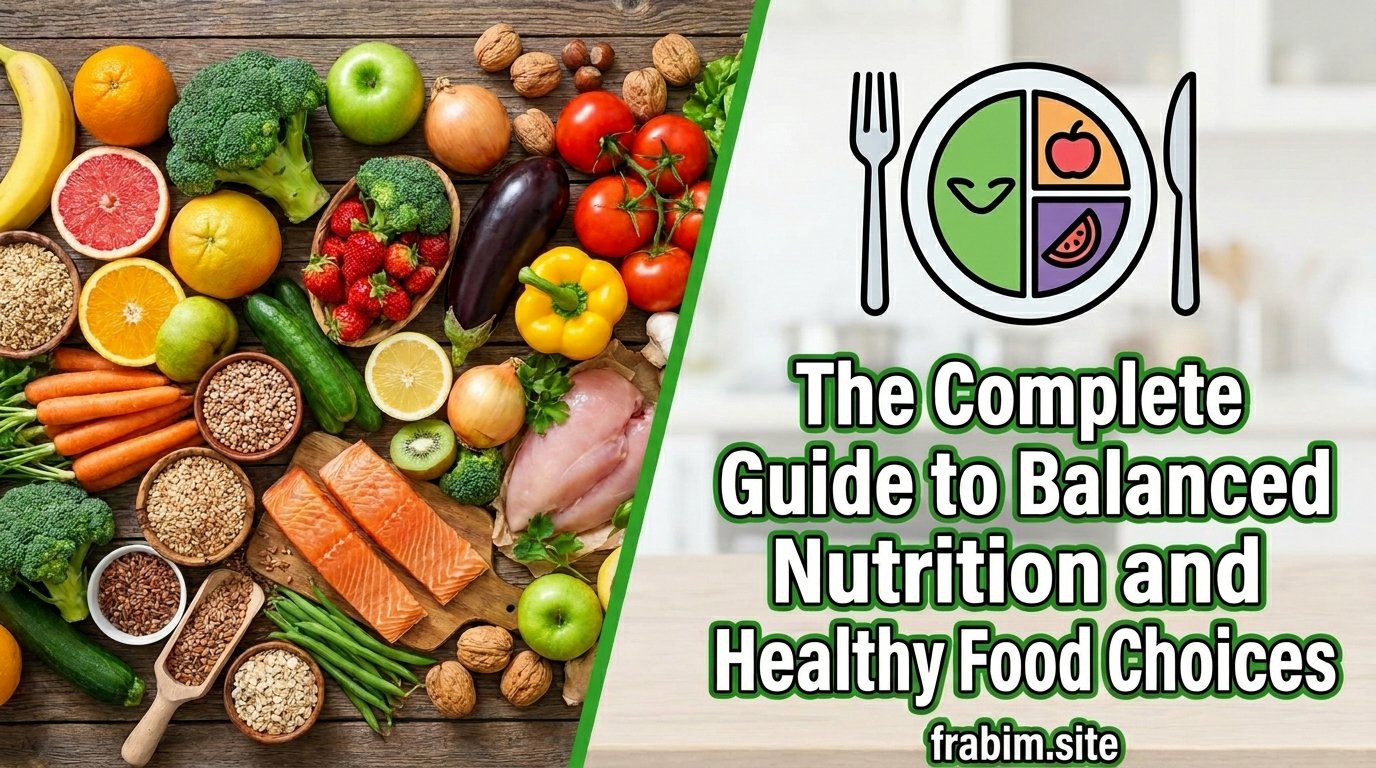
Introduction
Good nutrition is one of the most powerful tools we have for building a healthy life. What we eat affects our energy levels, mood, immune function, weight, and long-term risk for chronic disease. Yet with so much conflicting advice online, it’s easy to feel overwhelmed about what “healthy eating” actually means.
This guide breaks down balanced nutrition into practical, evidence-based information — covering the nutrients your body needs, how to build better meals, common mistakes to avoid, and simple strategies you can start using today.
What Is Balanced Nutrition?
Balanced nutrition means consuming a variety of foods in the right proportions to give your body the energy and nutrients it needs to function well. It’s not about restriction or perfection — it’s about consistency and variety.
A balanced diet typically includes:
- A mix of carbohydrates, proteins, and fats
- A wide range of vitamins and minerals
- Adequate fiber
- Sufficient hydration
- Portion sizes appropriate to your energy needs
No single food provides everything your body requires, which is why variety across food groups is the foundation of good nutrition.
Why a Balanced Diet Matters for Overall Health
Eating a balanced diet does more than just maintain a healthy weight. It plays a central role in:
- Disease prevention — lowering the risk of heart disease, type 2 diabetes, and certain cancers
- Mental health — nutrient deficiencies are linked to mood disorders and fatigue
- Immune function — vitamins like C, D, and zinc support the body’s defenses
- Energy and productivity — stable blood sugar levels prevent energy crashes
- Digestive health — fiber-rich, varied diets support a healthy gut microbiome
- Longevity — long-term dietary patterns are strongly associated with lifespan and healthspan
Essential Nutrients Your Body Needs
Macronutrients (needed in large amounts)
| Nutrient | Role | Common Sources |
|---|---|---|
| Carbohydrates | Primary energy source | Whole grains, fruits, vegetables, legumes |
| Protein | Muscle repair, enzymes, hormones | Meat, fish, eggs, dairy, beans, tofu |
| Fats | Hormone production, nutrient absorption | Olive oil, nuts, seeds, avocado, fatty fish |
Micronutrients (needed in smaller amounts)
- Vitamins (A, C, D, E, K, B-complex) — support immunity, vision, skin, and metabolism
- Minerals (calcium, iron, potassium, magnesium, zinc) — support bone health, blood function, and muscle contraction
Other Key Components
- Fiber — supports digestion and heart health
- Water — regulates temperature, transports nutrients, and removes waste
The Main Food Groups Explained
- Fruits — natural sugars, fiber, vitamins, and antioxidants
- Vegetables — low in calories, high in fiber, vitamins, and minerals
- Grains — energy source; whole grains provide more fiber and nutrients than refined grains
- Protein foods — meat, poultry, seafood, eggs, legumes, nuts, and soy products
- Dairy (or alternatives) — calcium, vitamin D, and protein
- Fats and oils — used in moderation for hormone health and nutrient absorption
How to Build a Healthy and Balanced Plate
A simple visual method for balanced meals:
- ½ of your plate — non-starchy vegetables and some fruit
- ¼ of your plate — lean protein (chicken, fish, tofu, beans, eggs)
- ¼ of your plate — whole grains or starchy vegetables (brown rice, quinoa, sweet potato)
- A small amount of healthy fat — olive oil, avocado, nuts, or seeds
- A glass of water instead of sugary drinks
This method doesn’t require counting calories and works well for most adults as a general guideline.
Best Healthy Foods to Include in Your Daily Diet
- Leafy greens — spinach, kale, arugula
- Berries — blueberries, strawberries, raspberries
- Fatty fish — salmon, mackerel, sardines
- Whole grains — oats, quinoa, brown rice
- Legumes — lentils, chickpeas, black beans
- Nuts and seeds — almonds, walnuts, chia, flaxseed
- Eggs — a complete protein source with essential vitamins
- Greek yogurt — protein and probiotics
- Cruciferous vegetables — broccoli, cauliflower, Brussels sprouts
- Olive oil — heart-healthy monounsaturated fat
Foods to Limit or Avoid
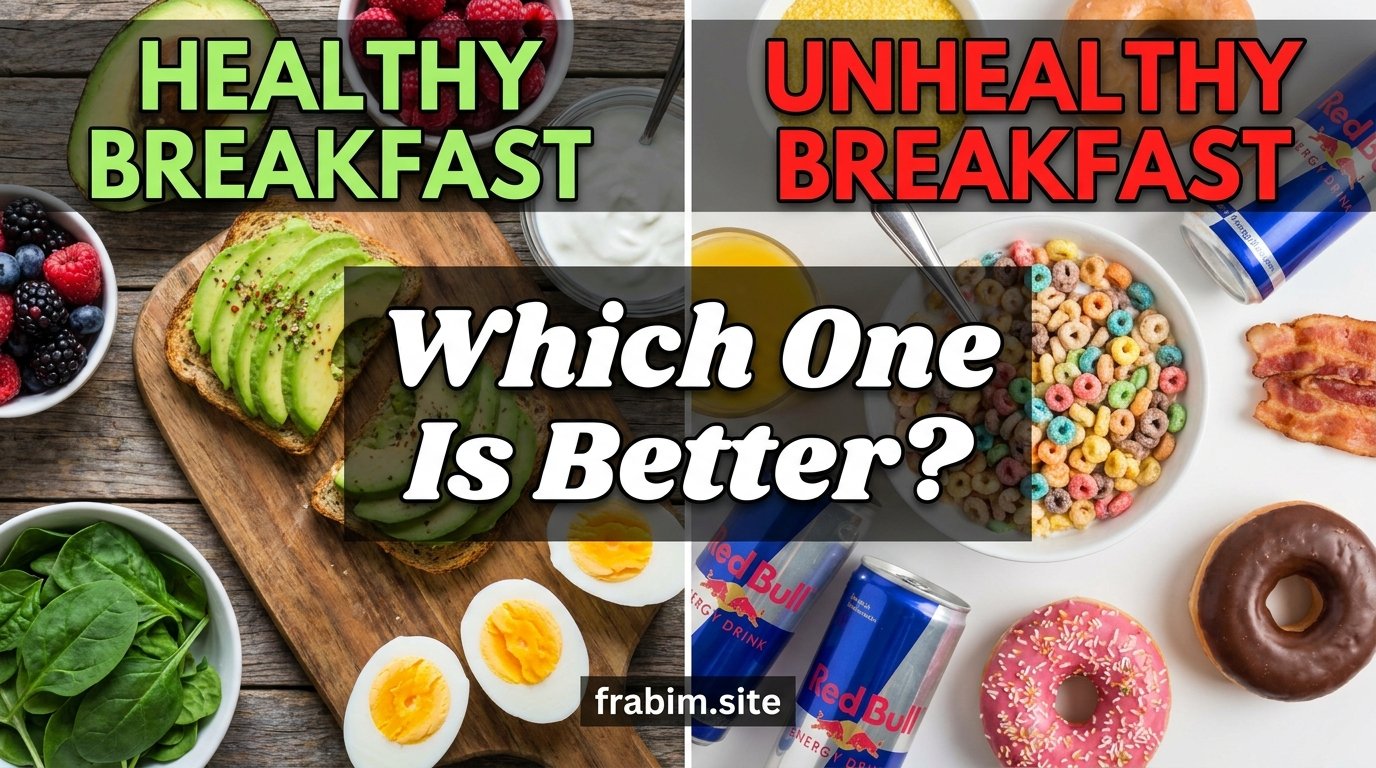
- Sugary beverages — sodas, energy drinks, sweetened juices
- Highly processed snacks — chips, packaged pastries, candy
- Refined carbohydrates — white bread, white pasta, pastries
- Trans fats — found in some fried and packaged baked goods
- Excess sodium — common in processed and fast food
- Processed meats — bacon, sausages, deli meats (best eaten sparingly)
- Excess added sugar — linked to obesity, diabetes, and heart disease
These foods aren’t necessarily “forbidden” — the goal is moderation, not elimination.
Healthy Eating Tips for Different Age Groups
Children (2–12 years) Focus on variety, adequate calcium and iron, and limiting added sugars. Encourage balanced meals without rigid restrictions.
Teenagers Higher calorie and nutrient needs due to growth spurts. Emphasize protein, calcium, and iron — especially for menstruating teens.
Adults (18–50 years) Focus on maintaining balanced macronutrients, fiber intake, and portion control to support metabolism and prevent chronic disease.
Older Adults (50+ years) Increased need for calcium, vitamin D, and B12 (absorption declines with age). Protein intake is especially important for preserving muscle mass.
Pregnant or Breastfeeding Individuals Increased needs for folate, iron, calcium, and protein. Medical guidance is recommended for individualized nutrition planning.
Common Nutrition Mistakes and How to Avoid Them
- Skipping meals — leads to overeating later; aim for regular, balanced meals
- Relying on “diet” or low-fat labeled foods — these are often high in added sugar
- Not eating enough protein — leads to fatigue and muscle loss
- Undereating vegetables — most people fall short of daily recommendations
- Drinking calories — sugary drinks add up quickly without providing fullness
- Following extreme diets — restrictive diets are hard to sustain and often backfire
- Ignoring portion sizes — even healthy foods can contribute to weight gain in excess
Simple Meal Planning for a Balanced Diet
- Plan meals weekly — reduces impulsive, less healthy choices
- Batch cook proteins and grains — saves time during busy weekdays
- Keep a well-stocked pantry — whole grains, canned beans, frozen vegetables
- Prep vegetables in advance — makes healthy eating more convenient
- Use a grocery list — reduces impulse purchases of processed foods
- Include one “flex meal” — allows flexibility without derailing overall habits
Hydration and Its Role in Good Nutrition
Water is essential for nearly every bodily function, including digestion, nutrient transport, temperature regulation, and joint lubrication.
General guidance:
- Most adults need roughly 2–3 liters (8–12 cups) of fluids per day, though needs vary by body size, activity level, and climate
- Thirst, energy levels, and urine color are practical indicators of hydration status
- Water-rich foods (cucumber, watermelon, oranges) also contribute to hydration
- Limiting sugary and caffeinated beverages supports better overall hydration and health
Benefits of Healthy Food Choices
- Improved energy and mental clarity
- Better mood and reduced risk of mood disorders
- Stronger immune system
- Healthier skin, hair, and nails
- Improved digestion and gut health
- Reduced risk of chronic diseases (diabetes, heart disease, hypertension)
- Better sleep quality
- Improved weight management
- Increased longevity and quality of life
Frequently Asked Questions (FAQs)
Q: Do I need to count calories to eat healthily? No. While calorie awareness can help some people, focusing on food quality, portion sizes, and balance is often more sustainable.
Q: Are carbs bad for you? No. Carbohydrates are a primary energy source. The key is choosing whole, fiber-rich carbs over heavily refined ones.
Q: How many meals should I eat per day? There’s no universal rule — three balanced meals or smaller frequent meals can both work, depending on personal preference and lifestyle.
Q: Is it okay to eat treats occasionally? Yes. Balanced nutrition allows room for occasional treats. The overall pattern of eating matters more than any single food or meal.
Q: Do I need supplements if I eat a balanced diet? Most people can meet their nutrient needs through food alone, though some (like vitamin D or B12) may require supplementation depending on individual circumstances. It’s best to consult a healthcare provider before starting any supplement.
Q: What’s the easiest way to start eating healthier? Start small — add one more vegetable to your plate, swap sugary drinks for water, or plan just a few meals ahead each week. Small, consistent changes are more sustainable than drastic overhauls.
Conclusion
Balanced nutrition isn’t about perfection, strict rules, or cutting out entire food groups — it’s about consistency, variety, and moderation. By understanding the essential nutrients your body needs, building balanced meals, and making small sustainable changes over time, you can support your long-term health and wellbeing.



Leave a Reply