
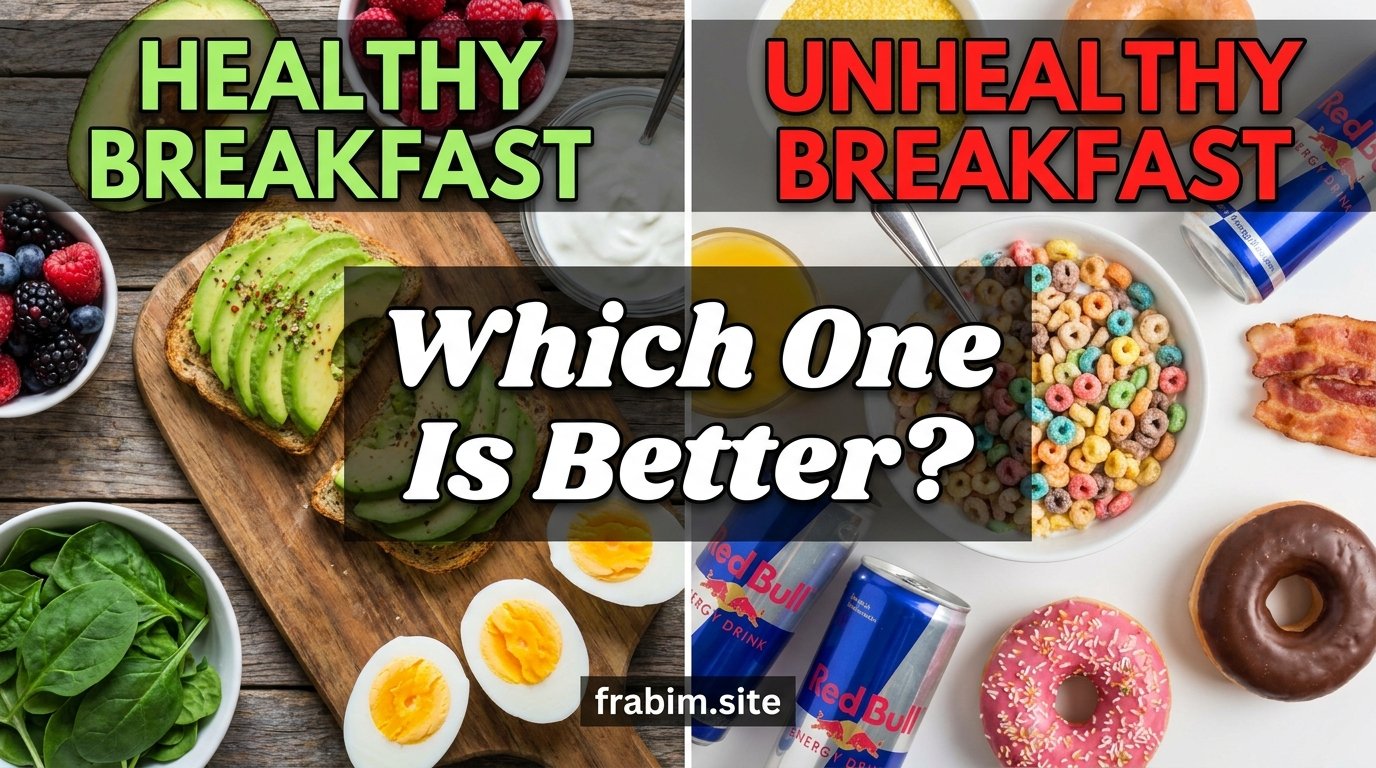
Breakfast is often called the most important meal of the day, but not all breakfasts are created equal. The choice between a nutrient-dense meal and a sugar-laden, processed one can shape your energy, mood, and long-term health. This guide breaks down the differences in detail.
1. What Is a Healthy Breakfast?
A healthy breakfast is a balanced meal that combines protein, fiber, healthy fats, and complex carbohydrates while limiting added sugar, refined grains, and excessive sodium. It’s designed to provide steady energy, support digestion, and keep you full until your next meal. Examples include oatmeal with fruit and nuts, eggs with vegetables, Greek yogurt with berries, or whole-grain toast with avocado.
2. What Is an Unhealthy Breakfast?
An unhealthy breakfast typically relies on refined sugar, white flour, and processed ingredients with little protein or fiber. Think sugary cereals, pastries, doughnuts, white toast with jam, or sweetened coffee drinks. These meals digest quickly, causing a rapid rise and fall in blood sugar, which often leads to hunger and low energy within a few hours.
3. Key Differences Between Healthy and Unhealthy Breakfast
| Factor | Healthy Breakfast | Unhealthy Breakfast |
|---|---|---|
| Main ingredients | Whole foods (eggs, oats, fruit, nuts) | Processed foods (pastries, sugary cereal) |
| Sugar content | Low to moderate, natural sources | High, added sugars |
| Fiber | High | Low |
| Protein | Adequate to high | Often low |
| Satiety | Long-lasting fullness | Short-lived, followed by hunger |
| Blood sugar effect | Stable, gradual rise | Sharp spike and crash |
| Preparation | Often requires some prep | Usually grab-and-go |
4. Nutritional Comparison
A healthy breakfast generally delivers 15–25 grams of protein, 5–10 grams of fiber, and moderate healthy fats, while keeping added sugar under 10 grams. An unhealthy breakfast, by contrast, can easily pack 20–30 grams of added sugar, minimal fiber, and only a few grams of protein, while being calorie-dense without being nutrient-dense. This imbalance is the core reason one keeps you satisfied and the other leaves you craving more.
5. Benefits of Eating a Healthy Breakfast
- Stable energy levels throughout the morning
- Better concentration and cognitive performance, especially useful for work or school
- Improved appetite control, reducing overeating later in the day
- Supports metabolic health, including healthier blood sugar and cholesterol levels
- Provides essential nutrients like fiber, vitamins, and minerals that are harder to get later in the day
6. Risks of an Unhealthy Breakfast
- Blood sugar spikes and crashes, leading to fatigue and irritability
- Increased hunger and overeating later in the day
- Higher risk of weight gain over time due to excess sugar and empty calories
- Contributes to long-term health risks, including insulin resistance and poor heart health markers
- Nutrient gaps, since processed breakfast foods often lack fiber, protein, and micronutrients
7. Best Healthy Breakfast Foods to Eat
- Eggs (scrambled, boiled, or as an omelet with vegetables)
- Oatmeal topped with berries, nuts, or seeds
- Greek yogurt with fruit and a sprinkle of granola
- Whole-grain toast with avocado or nut butter
- Smoothies made with spinach, protein powder, and fruit
- Cottage cheese with fresh fruit
- Chia seed pudding
8. Breakfast Foods to Avoid
- Sugary breakfast cereals
- Pastries, doughnuts, and muffins made with refined flour
- White bread with sugary jams
- Sweetened flavored coffee drinks
- Processed breakfast meats high in sodium and preservatives
- Instant flavored oatmeal packets loaded with sugar
9. Healthy vs Unhealthy Breakfast: Side-by-Side Comparison
| Meal | Calories | Sugar | Protein | Fiber | Satiety |
|---|---|---|---|---|---|
| Oatmeal with berries and nuts | ~350 | Low | 10g | 8g | High |
| Sugary cereal with milk | ~350 | High (20g+) | 5g | 1g | Low |
| Eggs with veggies and toast | ~400 | Low | 20g | 5g | High |
| Doughnut and coffee with sugar | ~400 | High (25g+) | 5g | 1g | Low |
10. Which Breakfast Is Better for Weight Loss?
A healthy breakfast is generally more effective for weight management because protein and fiber promote satiety, reducing the likelihood of snacking or overeating at lunch. Unhealthy breakfasts, being high in sugar and low in fiber, often trigger hunger within an hour or two, leading to higher total calorie intake across the day. That said, total daily calorie balance still matters most — a healthy breakfast simply makes it easier to stay within that balance.
11. Which Breakfast Gives You More Energy?
A healthy breakfast provides more sustained energy because complex carbohydrates and fiber slow digestion, leading to a gradual release of glucose into the bloodstream. An unhealthy breakfast delivers a quick sugar rush followed by a crash, often leaving you feeling more tired than before you ate. If steady energy through the morning is your goal, a balanced breakfast wins.
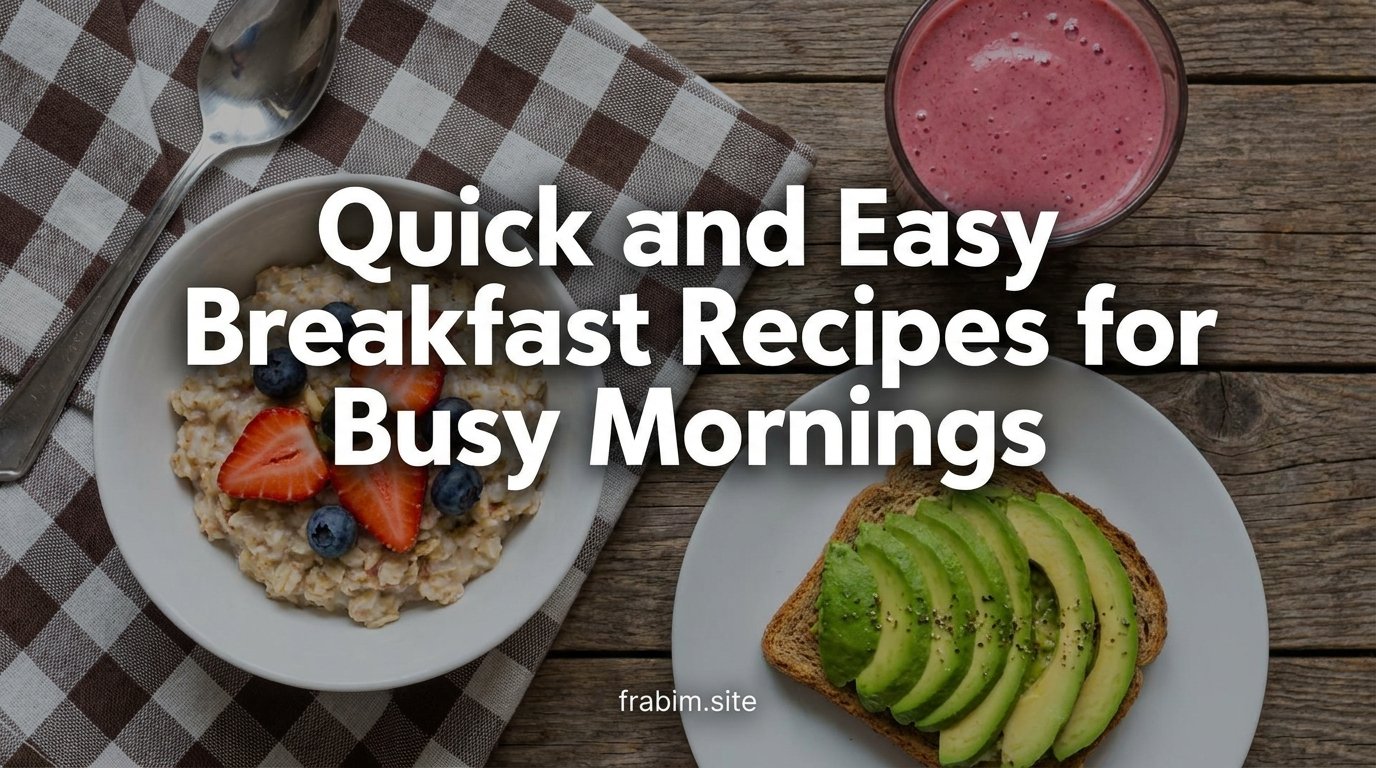
12. Healthy Breakfast Ideas for Busy Mornings
- Overnight oats prepared the night before
- Hard-boiled eggs made in batches for the week
- A smoothie blended in under five minutes
- Greek yogurt parfait with pre-cut fruit and nuts
- Whole-grain toast with peanut butter and banana
- Protein bars with minimal added sugar as a backup option
13. Common Breakfast Mistakes to Avoid
- Skipping breakfast entirely, which can lead to overeating later
- Relying only on carbs without protein or fat, causing quick hunger
- Drinking calories through sugary coffee or juice without realizing the sugar load
- Portion sizes that are too large or too small relative to your needs
- Choosing convenience over nutrition consistently, even when healthier options are just as fast
14. Tips for Building a Balanced Breakfast
- Include a source of protein (eggs, yogurt, cottage cheese, nut butter)
- Add fiber through fruit, vegetables, or whole grains
- Include healthy fats like nuts, seeds, or avocado
- Limit added sugars, checking labels on cereals and yogurts
- Stay hydrated with water instead of relying solely on sugary drinks
- Prep ingredients in advance to make healthy choices the easy choice
15. Frequently Asked Questions (FAQs)
Is it okay to skip breakfast? Skipping breakfast isn’t inherently harmful for everyone, but many people find they eat better overall when they start the day with a balanced meal, since it can prevent excessive hunger later.
What’s the healthiest breakfast for weight loss? Meals combining protein and fiber — like eggs with vegetables or Greek yogurt with fruit — tend to be most effective for supporting weight loss goals.
Are smoothies a healthy breakfast? Smoothies can be healthy if they include protein and limit added sugar, but fruit-only smoothies without protein or fiber-rich additions may cause quicker hunger.
Is coffee part of a healthy breakfast? Black coffee or coffee with minimal added sugar can fit into a healthy breakfast, but heavily sweetened, syrup-based coffee drinks add significant sugar and calories.
How much protein should be in a healthy breakfast? Aiming for roughly 15–25 grams of protein at breakfast is a reasonable target for most adults to support satiety and steady energy.
16. Final Verdict: Healthy vs Unhealthy Breakfast
When comparing the two, a healthy breakfast clearly comes out ahead for energy, satiety, weight management, and long-term health. Unhealthy breakfasts may be convenient and tasty in the moment, but they tend to cause energy crashes, hunger spikes, and nutrient gaps. The good news is that building a healthier breakfast doesn’t have to be complicated or time-consuming — a few simple swaps, like choosing eggs over pastries or oatmeal over sugary cereal, can make a meaningful difference in how you feel and function throughout the day.










Leave a Reply