
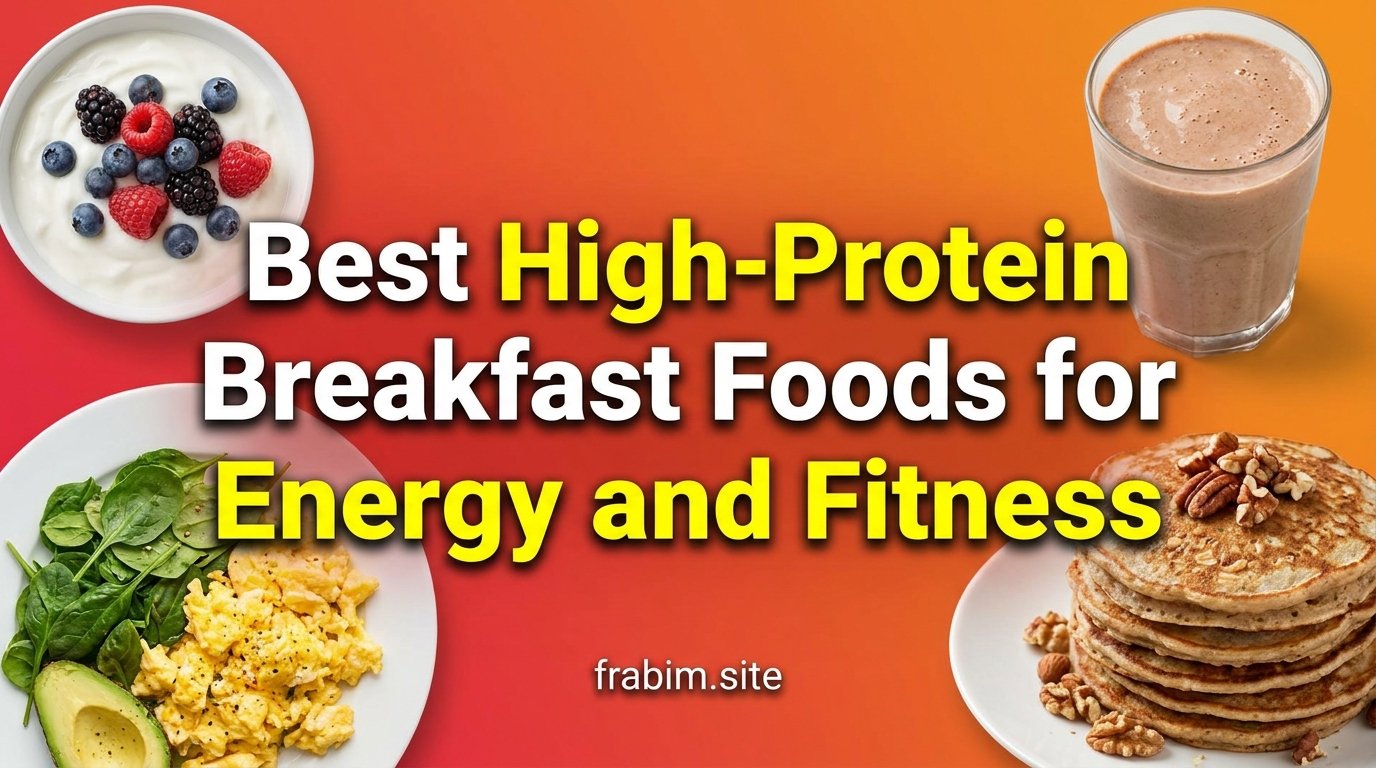
Breakfast sets the tone for your entire day. When it’s built around protein instead of sugar and refined carbs, you get steadier energy, better focus, and a body that’s primed for whatever your training or workday throws at it. This guide covers everything from the science of morning protein to quick recipes you can make in under five minutes.
1. Why a High-Protein Breakfast Matters
A typical breakfast — cereal, toast with jam, a pastry — spikes blood sugar fast and drops it just as fast, leaving you hungry and foggy by mid-morning. Protein digests slowly and doesn’t cause that same spike, so it keeps blood sugar (and your mood and focus) more stable for hours.
Protein is also the raw material your body uses to repair and build muscle tissue, produce hormones and enzymes, and support your immune system. Since you’ve just gone 7-9 hours without eating, your body is primed to use morning protein efficiently for these repair processes rather than storing it as fat.
2. Benefits of Eating Protein in the Morning
- Better satiety — protein is the most filling macronutrient, so a protein-rich breakfast reduces cravings and snacking later in the day.
- Stable energy — slow digestion means no mid-morning crash.
- Supports muscle maintenance and growth — especially important if you train regularly or are trying to preserve muscle while losing fat.
- Improved focus and mood — amino acids from protein are precursors to neurotransmitters like dopamine and norepinephrine, which support alertness.
- Easier weight management — studies consistently show that high-protein breakfasts reduce total daily calorie intake compared to high-carb breakfasts.
- Stronger metabolism — protein has a higher thermic effect than fat or carbs, meaning your body burns more calories digesting it.
3. Top 15 High-Protein Breakfast Foods
| Food | Protein (approx.) |
|---|---|
| Eggs (2 large) | 12g |
| Greek yogurt (1 cup) | 20g |
| Cottage cheese (1 cup) | 25g |
| Egg whites (1 cup) | 26g |
| Turkey bacon/sausage (2 pieces) | 10g |
| Smoked salmon (3 oz) | 17g |
| Protein powder (1 scoop) | 20-25g |
| Oats + protein powder | 25-30g |
| Tofu scramble (1 cup) | 20g |
| Peanut/almond butter (2 tbsp) | 7g |
| Chia seeds (2 tbsp) | 5g |
| Quinoa (1 cup cooked) | 8g |
| Skyr/Icelandic yogurt | 19g |
| Edamame (1 cup) | 17g |
| Lentils (1/2 cup cooked) | 9g |
4. Best High-Protein Breakfast Ideas for Weight Loss
The goal here is high protein, high volume, and lower calorie density so you feel full without overeating.
- Egg white veggie omelet with spinach, tomatoes, and mushrooms
- Greek yogurt with berries and a drizzle of honey
- Cottage cheese with pineapple or cucumber slices
- Protein smoothie with spinach, berries, and unsweetened almond milk
- Egg muffins baked with vegetables, portioned for the week
Pairing protein with fiber-rich vegetables or fruit adds volume and nutrients without a big calorie cost, which helps you stay satisfied on fewer total calories.
5. High-Protein Breakfast for Muscle Gain
If you’re training for strength or size, breakfast is a chance to hit a higher protein and calorie target.
- 3-4 whole eggs with oatmeal and a banana
- Greek yogurt loaded with granola, nuts, and a scoop of protein powder
- Protein pancakes made with oats, eggs, and cottage cheese
- Steak and eggs with whole-grain toast
- Breakfast burrito with eggs, black beans, cheese, and turkey sausage
Aim for 30-40g of protein at this meal if muscle gain is the priority, combined with enough carbs to fuel training.
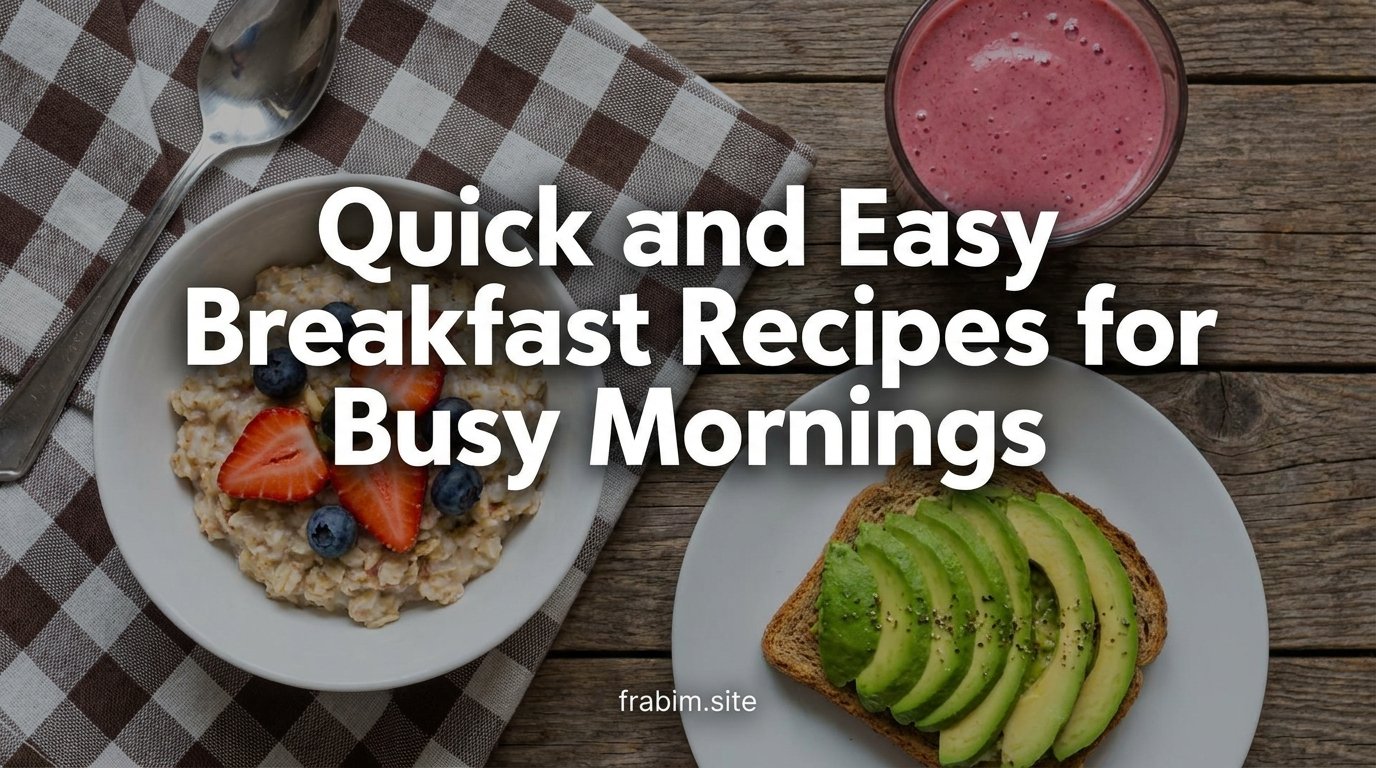
6. Quick High-Protein Breakfasts for Busy Mornings
- Greek yogurt cup, grab-and-go
- Hard-boiled eggs (batch-cook 6 on Sunday)
- Protein shake blended in under a minute
- Cottage cheese with a piece of fruit
- Overnight oats made the night before with protein powder mixed in
- String cheese + a handful of nuts
7. Vegetarian High-Protein Breakfast Options
- Greek yogurt parfait with granola and nuts
- Tofu scramble with turmeric, spinach, and nutritional yeast
- Cottage cheese with fruit and flaxseed
- Chia pudding made with milk or a milk alternative
- Peanut butter on whole-grain toast with sliced banana
- Veggie and cheese omelet
- Protein smoothie with plant-based protein powder
8. High-Protein Breakfast Foods for Kids
Kids need protein for growth, but breakfasts should also be simple and appealing.
- Scrambled eggs with cheese
- Greek yogurt with honey and berries
- Peanut butter banana toast
- Mini pancakes made with oats and cottage cheese blended in
- Smoothie with yogurt, fruit, and a spoon of nut butter
Keep portions age-appropriate and avoid added sugars where possible — flavored yogurts and cereals often hide more sugar than you’d expect.
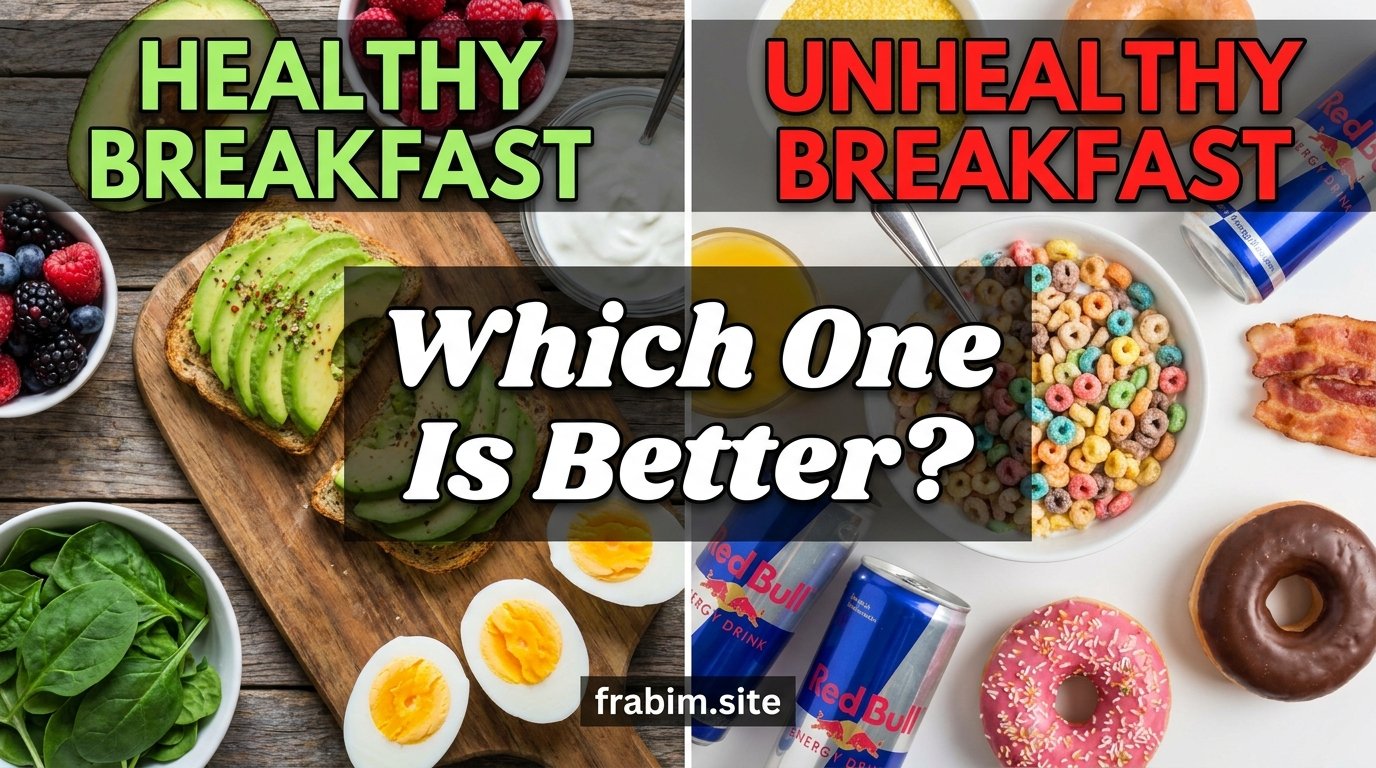
9. Foods to Avoid at Breakfast
- Sugary cereals — spike blood sugar with almost no protein or fiber
- Pastries and donuts — high in refined carbs and saturated fat, low in nutrients
- White toast with jam alone — mostly sugar and simple carbs
- Sweetened flavored yogurts — often more sugar than a candy bar
- Sugary coffee drinks — can add 300+ calories with little nutritional value
- Processed breakfast meats in excess — bacon and sausage are fine in moderation but shouldn’t be the only source of nutrition
10. How Much Protein Should You Eat for Breakfast?
A general target is 25-35 grams of protein at breakfast for most active adults. This amount has been shown in research to meaningfully improve satiety and support muscle protein synthesis, compared to the 10-15g most people typically get from a traditional breakfast.
Rough guidelines:
- General health: 20-25g
- Weight loss: 25-35g (paired with fiber and volume)
- Muscle gain/athletes: 30-40g
Your ideal number also depends on body size, activity level, and total daily protein goals — a common overall target is roughly 0.7-1g of protein per pound of body weight per day, spread across meals.
11. Easy High-Protein Breakfast Recipes
Veggie Egg Muffins Whisk 8 eggs with diced bell pepper, spinach, and shredded cheese. Pour into a greased muffin tin and bake at 350°F (175°C) for 18-20 minutes. Makes 12 muffins, about 6g protein each — great for meal prep.
Greek Yogurt Protein Bowl Combine 1 cup plain Greek yogurt, a scoop of protein powder, a splash of milk, and top with berries, nuts, and a drizzle of honey.
Protein Overnight Oats Mix 1/2 cup oats, 1 scoop protein powder, 3/4 cup milk, and 1 tbsp chia seeds. Refrigerate overnight, top with fruit in the morning.
Tofu Veggie Scramble Crumble firm tofu into a pan with turmeric, garlic powder, nutritional yeast, and chopped vegetables. Cook 5-7 minutes until warmed through.
Cottage Cheese Toast Spread cottage cheese on whole-grain toast, top with sliced tomato, black pepper, and a drizzle of olive oil.
12. Common Mistakes People Make with High-Protein Breakfasts
- Relying only on protein powder — whole foods bring fiber, micronutrients, and better satiety
- Skipping fiber and healthy fats — protein alone isn’t a complete meal
- Overdoing processed meats — bacon and sausage daily can add excess sodium and saturated fat
- Not planning ahead — leads to falling back on low-protein convenience foods on busy mornings
- Ignoring calories in “healthy” toppings — granola, nut butter, and dried fruit add up fast
- Eating the same thing every day — can lead to nutrient gaps and breakfast fatigue
13. Frequently Asked Questions (FAQs)
Is it bad to skip breakfast if I’m not hungry? Not inherently — intermittent fasting works well for many people. If you do eat breakfast, though, prioritizing protein tends to help more than skipping it entirely for most fitness goals.
Can I get enough protein from a smoothie alone? Yes, if it includes a quality protein source (Greek yogurt, protein powder, or milk) alongside fruit and healthy fats — aim for 25g+ protein per smoothie.
Is too much protein at breakfast harmful? For most healthy adults, no. Very high intakes (over 40-50g in one sitting) simply won’t be used much more efficiently than a moderate amount, so it’s more about hitting your daily total than maximizing one meal.
What’s the fastest high-protein breakfast? A Greek yogurt cup or a pre-made protein shake — both take under two minutes and deliver 20g+ protein.
Do I need animal protein for a high-protein breakfast? No — combinations of tofu, legumes, dairy, and protein powder can easily hit 25-35g of protein without meat or eggs.
14. Final Thoughts
A high-protein breakfast isn’t about eating a certain “diet” — it’s a simple shift that pays off in steadier energy, better appetite control, and stronger support for your training. Whether your goal is fat loss, muscle gain, or just getting through the morning without a 10am crash, aim for 25-35g of protein, pair it with fiber and healthy fats, and build a short rotation of 3-4 go-to breakfasts so it stays sustainable. Small, consistent choices at breakfast tend to compound into real results over weeks and months.





Leave a Reply