
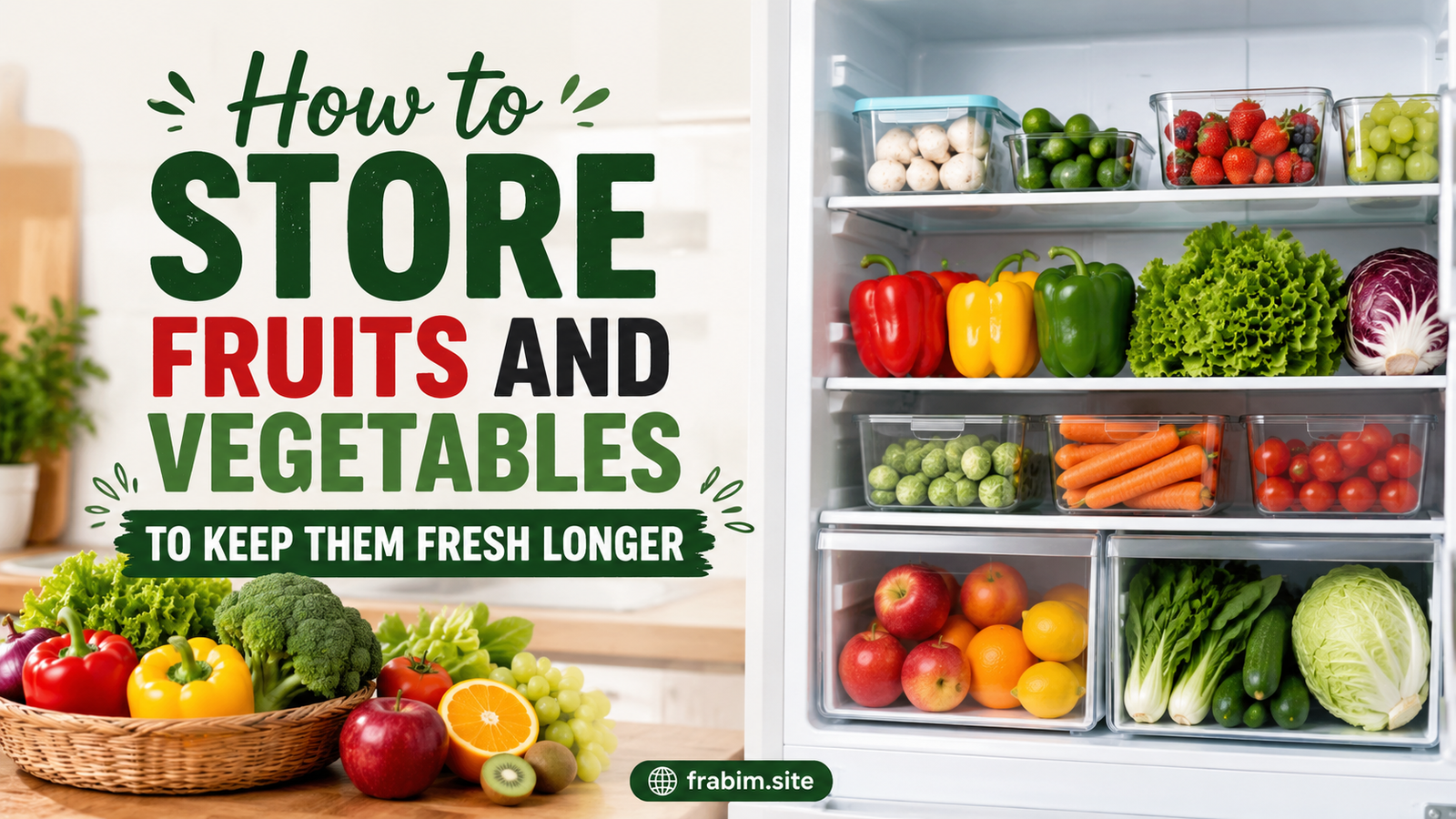
Nothing feels worse than reaching into the fridge for a bag of spinach, only to find it wilted and slimy, or discovering a bowl of once-firm tomatoes gone mushy on the counter. Most of the time, this isn’t bad luck — it’s improper storage. The good news is that with a few simple habits, you can dramatically extend how long your produce stays crisp, flavorful, and nutritious.
Why Proper Storage of Fruits and Vegetables Matters
Fresh produce is alive even after it’s harvested. Fruits and vegetables continue to breathe, lose moisture, and ripen after they’re picked, which means how you store them directly affects how quickly they break down. Proper storage isn’t just about preventing waste — it also preserves nutrients, flavor, and texture. Vitamins like vitamin C degrade faster in produce that’s exposed to heat, light, or improper humidity, so a tomato left on a sunny windowsill or a lettuce head crammed into a warm pantry loses nutritional value long before it looks spoiled.
There’s also a financial angle. Food waste from spoiled produce is one of the most common — and most avoidable — sources of grocery loss in the average household. Learning the right storage method for each item means fewer trips to the store and less money thrown away with rotting food.
Common Mistakes That Make Produce Spoil Faster
Even well-intentioned home cooks make storage mistakes that speed up spoilage. Some of the most frequent ones include:
- Storing everything in the fridge. Not all produce benefits from cold temperatures — some fruits and vegetables actually spoil faster or lose flavor when refrigerated.
- Washing produce before storing it. Excess moisture on the surface of fruits and vegetables promotes mold and bacterial growth, so washing too early can shorten shelf life.
- Keeping fruits and vegetables together. Many fruits release ethylene gas as they ripen, which can cause nearby vegetables to spoil faster.
- Using the wrong container. Sealed plastic bags with no airflow trap moisture and accelerate rot, especially for leafy greens and herbs.
- Ignoring temperature zones in the fridge. The door is the warmest part of the refrigerator, so delicate items stored there deteriorate faster than expected.
- Leaving produce in its original packaging. Store-bought clamshells and bags aren’t always designed for optimal airflow or humidity once you’re home.
General Rules for Storing Fresh Produce
A few broad principles apply across almost all produce:
- Know your ethylene producers and sensitive items. Fruits like apples, bananas, and avocados release ethylene gas, which speeds up ripening in nearby produce. Keep ethylene-sensitive vegetables like leafy greens and broccoli away from them.
- Match humidity to the item. Leafy vegetables prefer high humidity, while items like onions and garlic need dry, well-ventilated conditions.
- Don’t wash until you’re ready to use. Add moisture only right before eating or cooking, not before storage.
- Use breathable storage. Perforated bags, paper towels, or open containers usually outperform tightly sealed plastic.
- Check on your produce regularly. One spoiling item can speed up decay in everything around it, so remove bad produce as soon as you spot it.
Best Way to Store Fruits
Apples
Apples last far longer in the refrigerator’s crisper drawer than on the counter — often several weeks longer. Keep them in a perforated plastic bag to maintain humidity while allowing airflow, and store them away from other produce since apples release a notable amount of ethylene gas.
Bananas
Bananas are best kept at room temperature, away from direct sunlight, until they reach your desired ripeness. Wrapping the crown (the stem cluster) in plastic wrap slows down ethylene release and helps the whole bunch ripen more evenly. Once ripe, you can refrigerate them to slow further ripening — the peel will darken, but the fruit inside stays fine.
Citrus Fruits (Oranges, Lemons)
Citrus fruits can be stored at room temperature for about a week, but they’ll last several weeks longer in the refrigerator’s crisper drawer. Keep them loose or in a mesh bag rather than a sealed container, since good airflow helps prevent mold.
Berries
Berries are delicate and among the fastest fruits to spoil. Don’t wash them until right before eating, and store them unwashed in a single layer in a ventilated container lined with paper towels to absorb excess moisture. Keep them in the refrigerator at all times.
Grapes
Grapes stay fresh longest in the refrigerator, ideally in their original perforated bag or a breathable container. Avoid washing them until you’re ready to eat them, as excess moisture accelerates mold growth on the skins.
Mangoes
Unripe mangoes should sit at room temperature until they soften and give slightly to gentle pressure. Once ripe, move them to the refrigerator, where they’ll keep for several additional days.
Best Way to Store Vegetables
Potatoes
Potatoes need a cool, dark, well-ventilated place — a pantry or cellar works better than the refrigerator, since cold temperatures convert their starches to sugar and affect texture and taste. Store them in a paper bag or breathable container, never in plastic, and keep them away from onions.
Onions
Like potatoes, onions prefer a cool, dry, dark spot with good airflow, such as a pantry or a hanging mesh bag. Refrigeration introduces moisture that can cause them to soften and sprout faster. Keep whole onions away from potatoes, since the gases and moisture each releases can cause the other to spoil sooner.
Tomatoes
Tomatoes should be stored at room temperature, stem-side down, out of direct sunlight. Refrigeration dulls their flavor and turns the texture mealy. Only refrigerate tomatoes if they’re very ripe and you need to slow down spoilage for a day or two.
Leafy Greens
Leafy greens like lettuce, spinach, and kale do best in the refrigerator’s crisper drawer, wrapped loosely in a paper towel and placed in a perforated bag or breathable container. The paper towel absorbs excess moisture, which is usually what causes greens to turn slimy.
Carrots
Carrots keep longest when stored in the refrigerator, ideally with their leafy tops removed (the tops draw moisture away from the root). Keep them in a sealed container or bag with a bit of water, or wrapped in a damp paper towel, to prevent them from going limp.
Cucumbers
Cucumbers are sensitive to cold and can develop pitting or a watery texture if stored too cold. Keep them in the crisper drawer, ideally wrapped in a paper towel or breathable bag, and away from ethylene-producing fruits.
Broccoli
Broccoli stays freshest when stored unwashed in the refrigerator, wrapped loosely in a damp paper towel and placed in a perforated bag. This keeps the humidity high enough to prevent wilting without trapping excess moisture.
Which Fruits and Vegetables Should Not Be Refrigerated?
Some produce actually suffers in cold temperatures, losing flavor, texture, or ripening ability. Items best kept at room temperature include:
- Tomatoes
- Potatoes
- Onions and garlic
- Bananas (before ripening)
- Mangoes, avocados, and stone fruits (until ripe)
- Winter squash and pumpkins
- Basil and other tender fresh herbs
Fruits and Vegetables That Should Not Be Stored Together
Because many fruits release ethylene gas, storing them near ethylene-sensitive produce can cause premature spoiling or unwanted ripening. Keep these pairings separate:
- Apples and bananas away from leafy greens, broccoli, and carrots — the ethylene gas speeds up wilting and yellowing.
- Onions away from potatoes — onions release moisture and gases that cause potatoes to sprout faster, and potatoes can make onions spoil sooner too.
- Avocados away from delicate greens — similar ethylene sensitivity applies.
- Melons away from other produce — melons both produce ethylene and are sensitive to odors from other items in a shared space.
Tips to Keep Produce Fresh for a Longer Time
- Store fruits and vegetables separately whenever possible to manage ethylene exposure.
- Use your crisper drawers as intended — most refrigerators have a high-humidity drawer for leafy greens and a low-humidity drawer for fruits.
- Line storage containers with paper towels to absorb excess moisture.
- Don’t overcrowd containers or bags — airflow matters as much as humidity.
- Trim leafy tops off root vegetables like carrots and beets before storing.
- Check produce every couple of days and remove anything starting to spoil before it affects the rest.
- Freeze produce you can’t use in time — many vegetables freeze well after a quick blanch.
Signs That Fruits and Vegetables Have Gone Bad
Knowing when produce has crossed from “fine” to “spoiled” helps you avoid both food waste and foodborne illness. Watch for:
- Soft or mushy spots on fruits and vegetables that were previously firm
- Mold, which can appear as fuzzy white, green, or black patches
- A sour, fermented, or otherwise off smell
- Sliminess, especially on leafy greens
- Significant discoloration beyond normal ripening (dark brown or black spreading across the surface)
- Shriveled or wrinkled skin, indicating major moisture loss
- Leaking liquid in the storage container
When in doubt, especially with mold, it’s safer to discard the item rather than simply cutting around the affected area.
Frequently Asked Questions (FAQs)
How long do fruits stay fresh in the refrigerator?
It varies widely by fruit. Berries typically last about a week, apples and citrus can last several weeks, while more delicate fruits like mangoes and bananas are better refrigerated only after they’ve ripened, and generally last just a few days once chilled.
Can I wash fruits before storing them?
It’s best to avoid washing fruits and vegetables before storing them. Excess surface moisture encourages mold and bacterial growth, so wait to wash produce until right before you plan to eat or cook it.
Should potatoes and onions be stored together?
No. Potatoes and onions release moisture and gases that cause each other to spoil faster when stored together. Keep them in separate, cool, dark, well-ventilated spots.
What is the best container for storing vegetables?
Breathable containers work best — think perforated plastic bags, mesh bags, or containers lined with paper towels. These allow airflow while managing humidity, which prevents the sogginess that comes from fully sealed containers.
Final Thoughts
Keeping fruits and vegetables fresh longer comes down to understanding a few key principles: matching each item to the right temperature and humidity, keeping ethylene producers away from sensitive produce, and using breathable storage instead of sealed bags. These small adjustments in your kitchen routine can significantly cut down on food waste, save money, and make sure every apple, tomato, and bunch of greens you buy actually makes it to your plate at its best.










Leave a Reply