
Introduction
Every day, you make dozens of small decisions about what to eat — and over time, those choices add up to something much bigger than a single meal. They shape your energy, your mood, your weight, and your long-term risk for chronic disease. Two broad categories dominate that decision-making: whole, nutrient-dense healthy foods and heavily processed, calorie-dense junk foods. This guide breaks down what actually separates the two, what the science says about their effects on your body, and how to build a diet that leans toward the former without feeling like you’re giving up everything you enjoy.
What Are Healthy Foods?
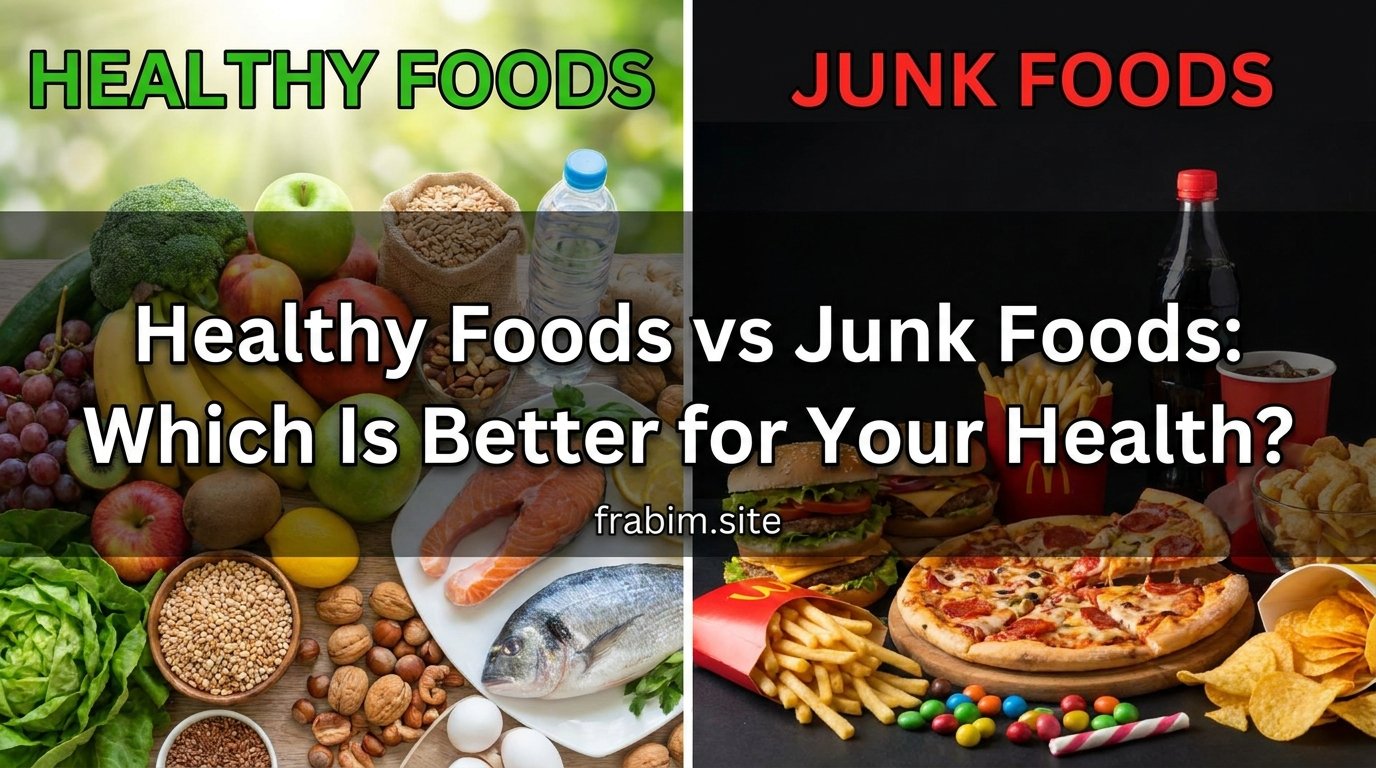
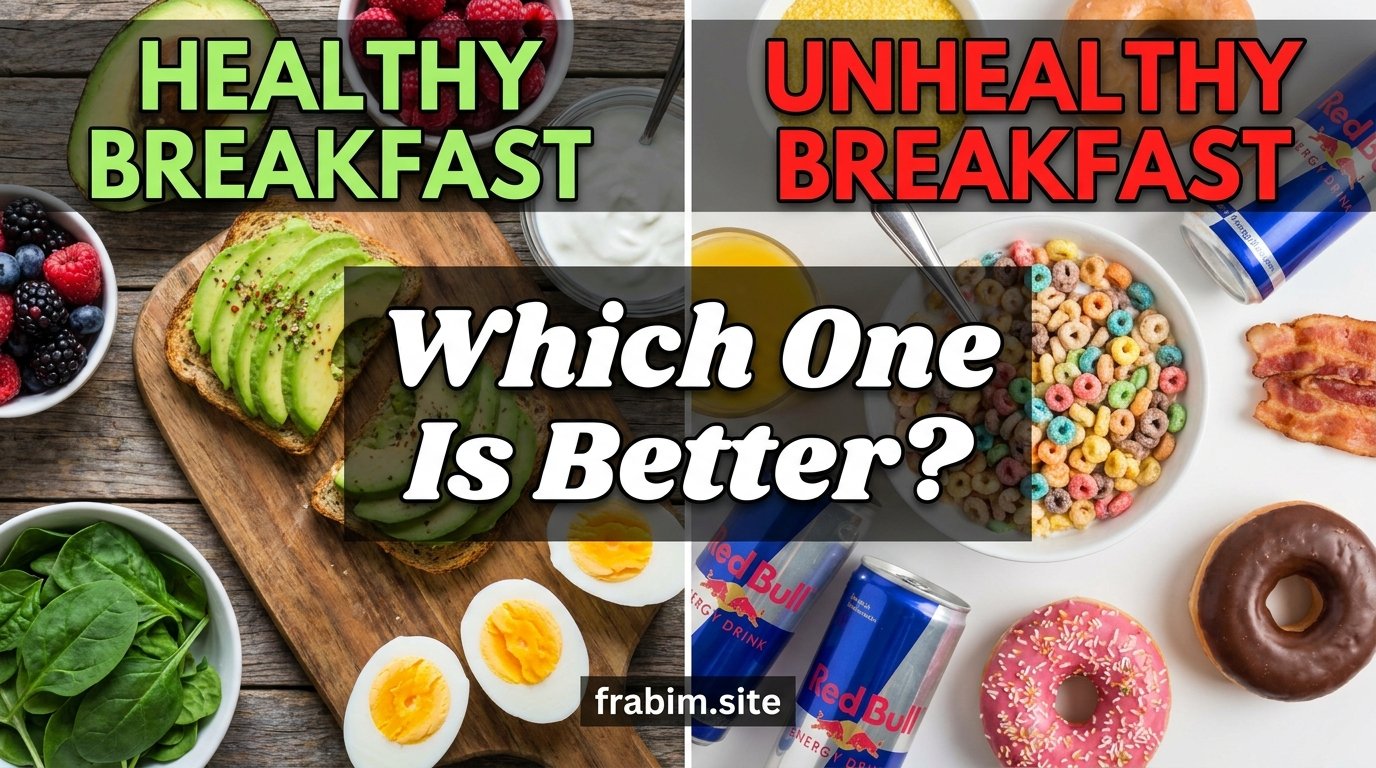
Healthy foods are foods that are minimally processed and rich in the nutrients your body needs to function well — vitamins, minerals, fiber, protein, and healthy fats. They typically include:
- Fruits and vegetables — fresh, frozen, or dried without added sugar
- Whole grains — brown rice, oats, quinoa, whole wheat
- Lean proteins — fish, poultry, beans, lentils, tofu, eggs
- Healthy fats — olive oil, nuts, seeds, avocado
- Dairy or dairy alternatives — yogurt, milk, fortified plant milks
The common thread is that these foods are close to their natural state. They haven’t been stripped of fiber or loaded with added sugar, sodium, or preservatives to extend shelf life or boost flavor artificially.
What Are Junk Foods?
Junk food refers to foods that are high in calories but low in nutritional value. They’re usually manufactured to be convenient, cheap, and intensely flavorful, which makes them easy to overeat. Common examples include:
- Chips, fries, and other fried snacks
- Candy, cookies, and pastries
- Sugary sodas and energy drinks
- Fast food burgers, pizza, and fried chicken
- Packaged snack cakes and instant noodles
These foods are typically classified as “ultra-processed” — made with refined ingredients, added sugars, unhealthy fats, and a long list of additives designed to make them taste good and last on a shelf.
Key Differences Between Healthy Foods and Junk Foods
| Factor | Healthy Foods | Junk Foods |
|---|---|---|
| Processing level | Minimal | Heavy/ultra-processed |
| Nutrient density | High | Low |
| Added sugar & sodium | Low | High |
| Fiber content | High | Low or none |
| Satiety (fullness) | High | Low, leads to overeating |
| Impact on blood sugar | Stable | Sharp spikes and crashes |
The biggest distinction isn’t just calories — it’s nutrient density. A 300-calorie serving of salmon, quinoa, and broccoli delivers protein, omega-3s, fiber, and micronutrients. A 300-calorie serving of soda and chips delivers sugar, refined carbs, and little else.
Nutritional Comparison: Healthy Foods vs. Junk Foods
When you compare healthy and junk foods side by side, a few patterns show up consistently:
- Fiber: Whole foods like vegetables, fruits, and whole grains are rich in fiber, which slows digestion and supports gut health. Junk food is almost always fiber-free.
- Fat quality: Healthy foods tend to contain unsaturated fats (olive oil, nuts, fish), while junk food is often loaded with trans fats and saturated fats from frying and hydrogenated oils.
- Sugar: A homemade meal might contain naturally occurring sugar from fruit; a candy bar or soda contains concentrated added sugar with no accompanying nutrients.
- Micronutrients: Vitamins A, C, D, potassium, calcium, and iron are abundant in whole foods and largely absent from processed snacks.
- Sodium: Junk food is frequently engineered with high sodium levels to enhance flavor and shelf life, contributing to elevated blood pressure over time.
Benefits of Eating Healthy Foods
Consistently choosing nutrient-dense foods pays off in several interconnected ways:
- Sustained energy — Complex carbs and fiber release energy slowly, avoiding the crash that comes after sugary snacks.
- Better weight management — High-fiber, high-protein foods keep you full longer, naturally reducing overeating.
- Stronger immune function — Vitamins and antioxidants from produce support your body’s defenses.
- Reduced disease risk — Diets rich in whole foods are linked to lower rates of heart disease, type 2 diabetes, and certain cancers.
- Improved digestion — Fiber feeds beneficial gut bacteria and keeps digestion regular.
- Better mood and cognition — Stable blood sugar and adequate micronutrients support mental clarity and emotional regulation.
Health Risks of Eating Too Much Junk Food
Occasional indulgence isn’t the concern — it’s the cumulative, habitual pattern that causes harm. Regularly eating junk food is associated with:
- Weight gain and obesity, driven by high calorie density and low satiety
- Type 2 diabetes, from repeated blood sugar spikes and insulin resistance
- Heart disease, linked to trans fats, excess sodium, and high cholesterol
- High blood pressure, from excessive sodium intake
- Fatty liver disease, associated with high sugar and refined carb intake
- Digestive issues, due to low fiber content
- Mood fluctuations and fatigue, from blood sugar spikes followed by crashes
- Nutrient deficiencies, since junk food displaces more nutritious options in the diet
How Healthy Foods Improve Your Daily Life
Beyond long-term disease prevention, healthy eating has noticeable day-to-day effects:
- You feel more alert and less sluggish after meals
- Your skin, hair, and nails often benefit from better micronutrient intake
- Sleep quality can improve when blood sugar stays stable overnight
- Physical stamina and recovery improve with adequate protein and micronutrients
- Cravings for processed food tend to decrease as your palate adjusts to whole foods
Can You Eat Junk Food in Moderation?
Yes — for most healthy individuals, occasional junk food isn’t inherently dangerous. The human body can handle an indulgent meal or a treat without lasting harm. Problems arise from frequency and proportion, not from a single food itself.
A practical approach many nutrition experts support is the 80/20 principle: aim for roughly 80% of your intake to come from nutrient-dense whole foods, leaving room for about 20% flexibility for treats and convenience foods. This approach reduces feelings of deprivation, which can actually help you stick to healthier habits long-term rather than swinging between restriction and binge eating.
Healthy Alternatives to Popular Junk Foods
Small substitutions can dramatically improve your diet without eliminating the foods you enjoy:
| Craving | Junk Food Choice | Healthier Swap |
|---|---|---|
| Salty & crunchy | Potato chips | Roasted chickpeas or air-popped popcorn |
| Sweet treat | Candy bar | Dark chocolate or fruit with nut butter |
| Fizzy drink | Soda | Sparkling water with fresh fruit |
| Fast food burger | Drive-thru burger | Homemade burger with lean meat and whole-grain bun |
| Ice cream | Regular ice cream | Frozen yogurt or blended frozen banana “nice cream” |
| Fried snack | French fries | Baked or air-fried sweet potato wedges |
Tips for Building a Healthy Diet
- Fill half your plate with vegetables at most meals.
- Choose whole grains over refined ones whenever possible.
- Plan meals ahead so you’re less tempted by convenience food when hungry.
- Read nutrition labels and watch for added sugar and sodium.
- Stay hydrated — thirst is often mistaken for hunger.
- Cook at home more often to control ingredients and portions.
- Don’t skip meals, which can lead to overeating junk food later.
- Allow flexibility so healthy eating feels sustainable, not restrictive.
Healthy Foods vs. Junk Foods: Comparison Table
| Category | Healthy Foods | Junk Foods |
|---|---|---|
| Nutrient density | High | Low |
| Fiber | High | Minimal |
| Added sugar | Low/none | High |
| Sodium | Moderate/low | High |
| Fat quality | Unsaturated fats | Trans/saturated fats |
| Effect on energy | Steady | Spike then crash |
| Effect on weight | Supports healthy weight | Promotes weight gain |
| Long-term disease risk | Lower | Higher |
| Cost | Varies, often comparable | Often cheap and convenient |
| Preparation time | Often longer | Minimal |
Common Myths About Healthy and Junk Foods
Myth: “Healthy food is always more expensive.” Staples like beans, oats, frozen vegetables, and rice are among the most affordable foods available and are also some of the healthiest.
Myth: “All fat is bad for you.” Unsaturated fats from sources like olive oil, nuts, and fish are essential for hormone production and nutrient absorption. It’s trans fats and excessive saturated fats that pose the greater concern.
Myth: “Junk food gives you more energy.” Sugary, processed snacks cause a quick energy spike followed by a crash, leaving you more fatigued than before.
Myth: “Skipping meals to ‘save calories’ for junk food is fine.” This often leads to overeating later and disrupts blood sugar regulation.
Myth: “Natural or organic automatically means healthy.” A food can be organic and still be high in sugar or heavily processed. Ingredient quality matters more than marketing labels.
Frequently Asked Questions (FAQs)
Q: Is all processed food bad for you? No. Processing exists on a spectrum — canned beans, frozen vegetables, and plain yogurt are processed but still nutritious. The concern is specifically with ultra-processed foods high in added sugar, sodium, and unhealthy fats.
Q: How much junk food is “too much”? There’s no universal number, but relying on junk food for a large share of daily calories on a regular basis increases health risks. Occasional treats within an otherwise balanced diet are generally fine for most people.
Q: Can junk food cause addiction-like cravings? Highly processed foods are engineered to be hyper-palatable, and research suggests they can trigger reward pathways in the brain similar to other addictive substances, which is part of why they’re easy to overeat.
Q: Are homemade versions of junk food healthier? Often, yes — homemade versions let you control the amount of sugar, salt, and oil, and often include better-quality ingredients than store-bought or fast-food versions.
Q: What’s the easiest first step toward eating healthier? Start by adding one more serving of vegetables or fruit to your day and swapping sugary drinks for water — small, sustainable changes tend to stick better than drastic overhauls.
Final Verdict: Which Is Better for Your Health?
There’s no real contest when it comes to long-term health: healthy, whole foods are better for your body in essentially every measurable way — energy, weight management, disease prevention, mental clarity, and longevity. Junk food isn’t inherently forbidden, but it’s best treated as an occasional indulgence rather than a dietary foundation. The goal isn’t perfection; it’s building a pattern where nutrient-dense foods make up the majority of what you eat, leaving room for the treats that make eating enjoyable.
Conclusion
The debate between healthy foods and junk foods ultimately comes down to consistency, not single meals. Your body responds to patterns built over weeks, months, and years — not to any one snack or dinner. By understanding what separates whole, nutrient-dense foods from ultra-processed ones, and by making small, sustainable swaps in your daily routine, you can enjoy the foods you love while still giving your body what it needs to thrive.


Leave a Reply