
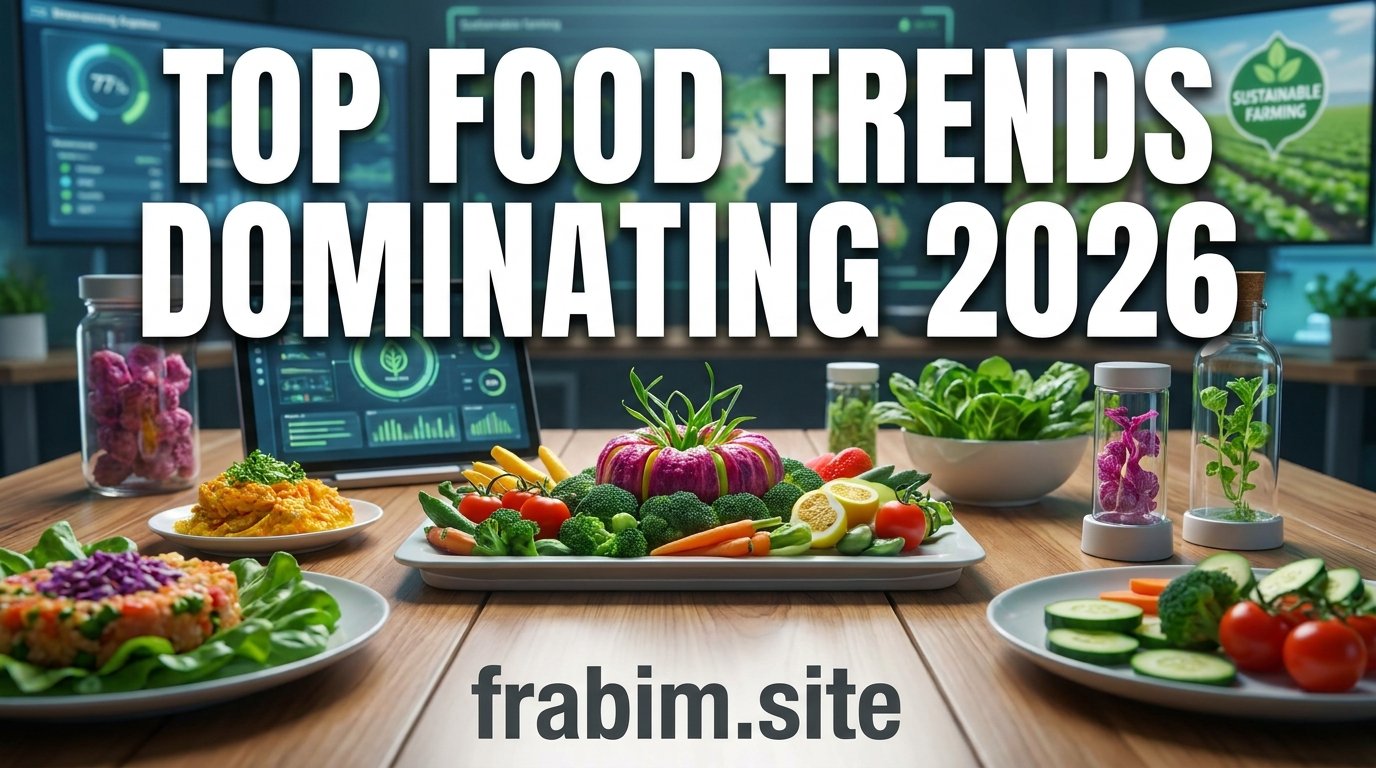
Introduction
Food in 2026 is being shaped by a strange mix of forces: tight household budgets, a flood of new health data, AI that knows what’s in your fridge, and a collective craving for comfort. Shoppers want excitement and nostalgia at the same time, want it to be good for their gut and their wallet, and want it to look great on a phone screen without feeling fake. The result is a year of food trends that lean less toward shock value and more toward foods that are familiar, functional, and a little bit smarter than they used to be.
This guide breaks down the 20 trends actually driving menus, grocery aisles, and kitchens in 2026 — from fermented cabbage to AI nutrition coaches — and explains why each one matters, who’s behind it, and how you can actually use it in your own kitchen.
Why Food Trends Matter in 2026
Food trends aren’t just marketing fluff. They’re a real-time read on what people are worried about, hopeful for, and willing to spend money on. In 2026 specifically, a few underlying pressures are doing most of the work:
- Price sensitivity is still high. A large share of shoppers remain very concerned about grocery prices, which is why “value” and “comfort” show up again and again across trend reports this year.
- Health concerns have gotten more specific. It’s no longer just “eat healthy” — it’s fiber targets, gut health, GLP-1 lifestyles, and mood-supporting nutrients.
- Technology has entered the kitchen for real. AI meal planning, smart appliances, and computer-vision food tracking have moved from novelty to mainstream.
- Sustainability has shifted from a vague claim to a specific ask. Consumers want concrete proof — local sourcing, eco-packaging — not just buzzwords.
Understanding these trends helps home cooks eat smarter, helps businesses build relevant menus and products, and helps anyone curious about food culture see where things are actually headed instead of where the hype says they’re headed.
How These Food Trends Were Selected
This list draws on a mix of current industry forecasts and real market data, including the National Restaurant Association’s What’s Hot 2026 Culinary Forecast, the Institute of Food Technologists’ 2026 trend outlook, Whole Foods Market’s annual Trends Council predictions, Datassential’s 2026 Trends Report, Pinterest Predicts, Yelp’s Trend Forecast, and market research on AI-driven nutrition and smart kitchen technology. Trends were chosen based on how consistently they appeared across multiple independent sources, how much real consumer or sales data backed them up, and how relevant they are to everyday cooking and eating — not just restaurant menus or trade-show novelty items.
Top 20 Food Trends Dominating 2026
1. Plant-Based Foods Continue to Grow
Plant-based eating hasn’t slowed down, but it has matured. Instead of meat substitutes trying to mimic burgers and nuggets, 2026’s plant-based wave leans into whole-food vegetables doing the heavy lifting. Cabbage is a standout example: Pinterest Predicts flagged it as a breakout vegetable, with searches for dishes like cabbage dumplings and cabbage alfredo climbing sharply, and Amazon’s grocery data showing real double-digit sales growth across packaged and fermented cabbage products. Expect more produce-forward dishes that don’t pretend to be meat, just confident, flavorful vegetables.
2. High-Protein Everyday Meals
Protein is no longer a bodybuilder niche — it’s an everyday expectation. Restaurants are adding protein as a customizable add-on to smoothie bowls and pancakes, and packaged foods are leaning hard into protein call-outs. This trend is being pushed in part by the rise of GLP-1 medications, which change how and how much people eat, making nutrient-dense, protein-forward meals more important per bite.
3. Functional Foods for Better Health
Foods that do double duty — taste good and serve a specific health purpose — are everywhere. Mood-support ingredients like saffron, energy and weight-management ingredients like acetyl L-carnitine, and healthy-aging compounds like NMN are crossing over from supplements into mainstream food and beverage products. Functional butter, functional snacks, and “elevate your mood” produce marketing are all part of this shift.
4. AI-Powered Personalized Nutrition
AI nutrition tools have gone from gimmick to genuinely useful. Apps now use computer vision to identify food and estimate portions from a photo, and pull in data like sleep quality, glucose response, and activity levels to build truly individualized recommendations rather than generic advice. The AI-in-personalized-nutrition market is growing fast — one estimate puts it at roughly $2 billion in 2026 and climbing sharply over the next decade — as people look for guidance that fits their actual body instead of population averages.
5. Sustainable and Eco-Friendly Eating
Sustainability claims are being held to a higher standard. The National Restaurant Association notes that vague eco-claims aren’t cutting it anymore — operators need to clearly communicate local sourcing and eco-friendly packaging, not just gesture at sustainability. Compostable and reusable packaging is becoming a baseline expectation rather than a premium feature.
6. Fermented Foods and Gut Health
Gut health remains one of the steadiest trends of the decade, and 2026 pushes it further with fermented cabbage products like kimchi and sauerkraut seeing especially strong growth — fermented cabbage product sales reportedly jumped around 25% year-over-year in some retail channels. Probiotic dairy products, like cultured spreadable butter, are also extending fermentation beyond the usual yogurt-and-kombucha lane.
7. Global Fusion Cuisine
Global flavors continue building on momentum from recent years, with Korean cuisine and fermented ingredients staying especially influential. New cuisines are entering the spotlight too — Keralan food from southern India is being called out as a major cuisine to watch, prized for its variety of dals, sambar, and fermented breads. Expect more flavor mash-ups blending two or more culinary traditions into one dish, a trend especially driven by Gen Z’s appetite for novelty.
8. Zero-Waste Cooking Practices
As food prices stay elevated, using the whole ingredient — stems, peels, scraps turned into stock or snacks — has gone from a chef’s trick to a budget necessity. This pairs naturally with the sustainability and value trends, since reducing waste cuts grocery costs and environmental impact at the same time.
9. Smart Kitchen Technology
Kitchens are getting genuinely smart. The smart kitchen technology market is projected to be worth around $24 billion in 2026, with appliances now communicating over shared protocols so a cabinet, oven, and blender can effectively talk to each other. Ovens and blenders are starting to estimate calories and macros automatically, smart pantries track expiration dates, and voice and gesture controls are pushing kitchens toward hands-free operation.
10. Healthy Snacking Trends
Snacking is being reshaped by the fiber conversation. With over half of consumers — and an even higher share of Gen Z — actively seeking high-fiber foods, a viral trend called “fibermaxxing” has emerged, where people try to pack as much fiber as possible into a single recipe or snack. Textural, fiber-rich snacks are showing up everywhere from chip aisles to packaged lentil snacks.
11. Alternative Protein Sources
Beyond traditional plant-based meat, alternative proteins are diversifying. Lentils, in particular, are being highlighted across multiple 2026 trend reports as an affordable, fiber-rich, allergen-friendly protein source, showing up in microwavable meal pouches and sprouted grain bowls. This reflects a broader shift toward proteins that are cheap, sustainable, and nutritionally dense, not just novel.
12. Clean Label and Natural Ingredients
Shoppers are reading labels more closely, and “cleaner” recipes — additive-free, dye-free, less processed — are a top restaurant and packaged-food trend for 2026. This is closely tied to growing concern about ultra-processed foods and a new edition of U.S. Dietary Guidelines that’s pushing the conversation toward ingredient transparency.
13. Future of Food Delivery
Delivery is shifting toward convenience formats that don’t sacrifice quality. “Meals in a cup,” just-add-water options, and restaurant-quality frozen meals — think frozen arancini or pupusas finished in an air fryer — are letting people get a restaurant-style experience at home without the delivery fee or the wait. This format-driven convenience is partly a budget play and partly a response to fatigue with traditional delivery apps.
14. Tips for Following Food Trends on a Budget
You don’t need a smart fridge or a subscription nutrition app to ride these trends. A few practical approaches: buy fermented staples like sauerkraut or kimchi instead of pricier specialty probiotics; build meals around lentils and other legumes for affordable protein and fiber; use whole vegetables (stems, leaves, peels) to cut waste and grocery bills at once; and treat global flavor exploration as a spice-rack experiment rather than a full pantry overhaul. Trends are most useful when adapted to what’s already in your kitchen.
15. Benefits of Keeping Up with Food Trends
Staying current with food trends does more than make you a better dinner party guest. It can lead to genuinely better nutrition as functional and fiber-forward foods become easier to find, more variety and excitement in everyday cooking through global fusion ideas, real savings by adopting zero-waste and budget-friendly protein habits, and a head start for anyone working in food service, product development, or content creation where these shifts directly affect what sells.
Frequently Asked Questions (FAQ)
What is the biggest food trend of 2026? Fiber and gut health are arguably the single biggest thread running through 2026’s trends, showing up in everything from “fibermaxxing” snack culture to fermented cabbage products to lentil-based convenience meals.
Is plant-based eating still growing in 2026? Yes, though it looks different than a few years ago. Rather than meat-mimicking substitutes, the growth is now concentrated in whole vegetables and legumes, like cabbage and lentils, framed around gut health and affordability rather than imitation.
How is AI actually being used in food and nutrition right now? AI is being used for computer-vision food logging (snap a photo, get a nutrition estimate), personalized meal planning based on data like sleep and glucose response, and smart kitchen appliances that adjust recipes or suggest meals automatically.
Are food trends in 2026 driven more by health or by price? Both, almost equally. Most of this year’s major reports describe a “comfort and value” climate where health-conscious choices need to also feel affordable and familiar, rather than experimental or expensive.
What cuisine is trending in 2026? Korean and other fermented-food traditions remain influential, while Keralan cuisine from southern India is being highlighted as an emerging trend to watch, particularly for its lentil-based dishes.
Conclusion
If there’s one thread tying together 2026’s food trends, it’s balance under pressure — people want their food to be healthy, exciting, sustainable, and tech-enabled, but they also need it to be affordable and familiar. That tension is producing some of the most practical, livable food trends in years: fiber-packed snacks instead of extreme diets, AI tools that personalize rather than complicate, and global flavors folded into comfort food rather than replacing it. Whether you’re cooking at home or building a menu, the throughline for 2026 is clear: make it functional, make it feel good, and don’t make it cost a fortune.






Leave a Reply