
Introduction
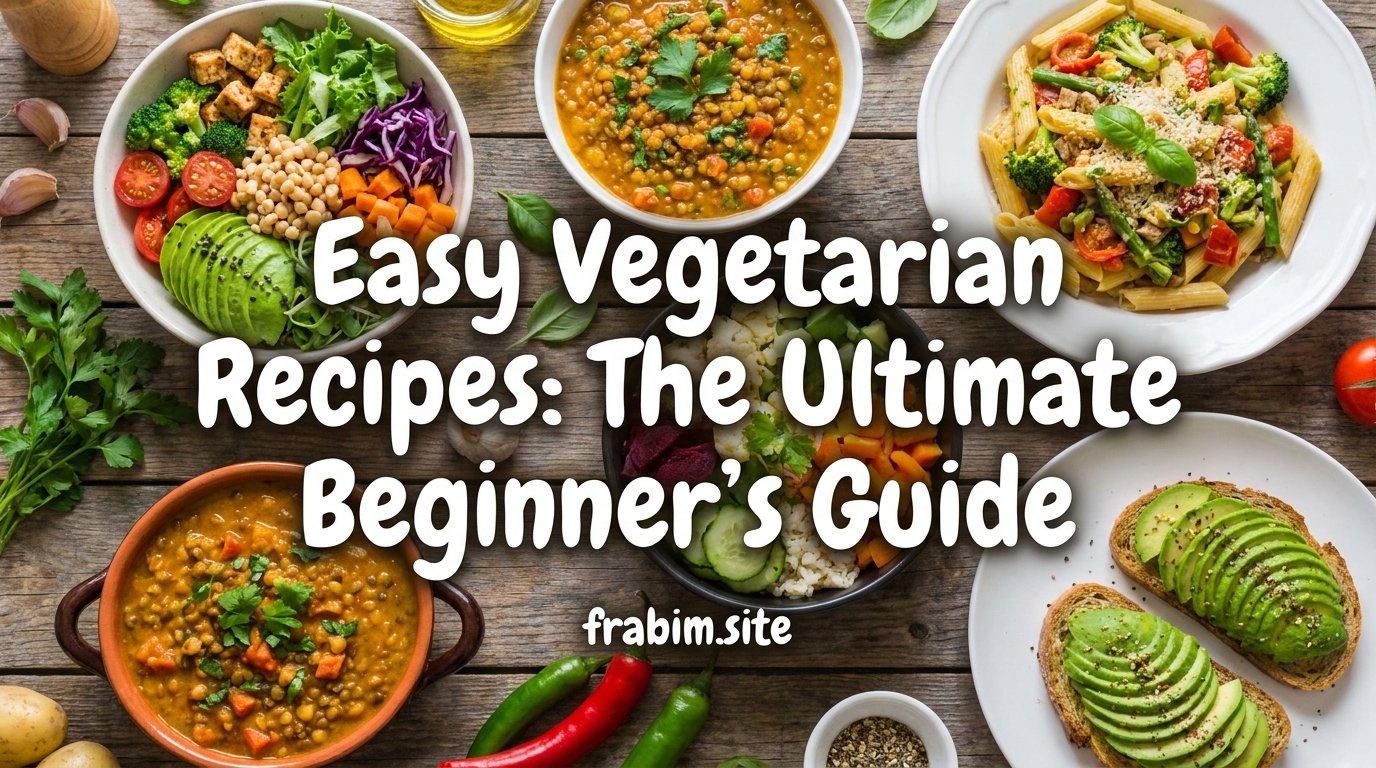
Starting a vegetarian diet—or just adding more meat-free meals to your week—can feel overwhelming at first. Where do you even begin? What do you cook? Will it actually taste good? This guide answers all of that. We’ll walk through why vegetarian cooking is worth trying, the ingredients and tools you need, ten genuinely easy recipes, and all the practical tips that make the switch stick. No fancy techniques, no obscure ingredients—just simple, satisfying food.
Why Choose Vegetarian Recipes?
Vegetarian cooking isn’t just for committed vegetarians. Plenty of people choose plant-based meals a few times a week for budget reasons, environmental concerns, or simply because vegetables, grains, and legumes are versatile and forgiving to cook with. Beginner vegetarian recipes tend to involve fewer steps, shorter cook times, and more room for error than meat-based dishes—there’s no risk of undercooking chicken or overcooking a steak. That makes vegetarian cooking a great place to build confidence in the kitchen.
Health Benefits of a Vegetarian Diet
A well-planned vegetarian diet is associated with several health benefits, including:
- Lower risk of heart disease — diets rich in vegetables, whole grains, and legumes tend to be lower in saturated fat and higher in fiber.
- Better weight management — plant-based meals are often lower in calories per volume, helping you feel full without overeating.
- Improved digestion — higher fiber intake from vegetables, beans, and whole grains supports gut health.
- Reduced risk of type 2 diabetes — diets centered on whole, plant-based foods are linked to better blood sugar control.
- More nutrient variety — cooking vegetarian encourages you to experiment with a wider range of vegetables, grains, and legumes than a typical meat-centered diet.
As with any diet, balance matters. Beginners should aim to include a variety of protein sources—beans, lentils, tofu, eggs, and dairy—to make sure meals stay nutritionally complete.
Essential Ingredients for Beginner Vegetarian Cooking
Stocking your kitchen with a few reliable staples makes vegetarian cooking far easier:
- Proteins: eggs, tofu, tempeh, canned beans (black beans, chickpeas, kidney beans), lentils
- Grains: rice, pasta, quinoa, oats, bread
- Dairy (if included): cheese, yogurt, butter
- Vegetables: onions, garlic, bell peppers, tomatoes, spinach, carrots, zucchini, mushrooms
- Pantry basics: olive oil, soy sauce, vegetable broth, canned tomatoes, tomato paste
- Spices: salt, pepper, cumin, paprika, chili powder, dried herbs (oregano, basil, thyme)
- Condiments: vinegar, lemon juice, mustard, hot sauce
Keep a few of these on hand at all times and you’ll always be able to throw together a quick meal.
Basic Kitchen Tools You’ll Need
You don’t need a professional kitchen to cook vegetarian meals well. The essentials are:
- A good chef’s knife and cutting board
- A large skillet or sauté pan
- A medium saucepan with a lid
- A baking sheet
- A colander for draining pasta or rinsing beans
- Measuring cups and spoons
- A blender or food processor (optional, but useful for sauces and soups)
That’s it. Most beginner recipes can be made with just a knife, a pan, and a pot.
10 Easy Vegetarian Recipes
Recipe 1: Veggie Stir-Fry with Rice
A quick mix of whatever vegetables you have on hand, tossed in a soy-garlic sauce and served over rice.
Recipe 2: Classic Margherita Pasta
Pasta tossed with olive oil, garlic, cherry tomatoes, and fresh basil—ready in 20 minutes.
Recipe 3: Black Bean Tacos
Seasoned black beans, shredded cheese, and your favorite toppings in a warm tortilla.
Recipe 4: Vegetable Fried Rice
Day-old rice stir-fried with scrambled eggs, peas, carrots, and soy sauce.
Recipe 5: Caprese Sandwich
Fresh mozzarella, tomato, and basil on crusty bread with a balsamic drizzle.
Recipe 6: Lentil Soup
A hearty, one-pot soup made with lentils, carrots, celery, onion, and vegetable broth.
Recipe 7: Chickpea Curry
Canned chickpeas simmered in a tomato-coconut curry sauce, served over rice.
Recipe 8: Caprese-Stuffed Avocado
Halved avocados filled with diced tomato, mozzarella, and basil.
Recipe 9: Vegetable Quesadillas
Tortillas filled with melted cheese and sautéed peppers, onions, and mushrooms.
Recipe 10: Baked Sweet Potato with Toppings
Roasted sweet potatoes topped with black beans, salsa, cheese, and sour cream.
Step-by-Step Cooking Instructions
Here’s how to make one of the easiest recipes from the list—Veggie Stir-Fry with Rice—from start to finish:
- Cook 1 cup of rice according to package instructions.
- While the rice cooks, chop 2 cups of mixed vegetables (bell peppers, broccoli, carrots, snap peas) into bite-sized pieces.
- Heat 1 tablespoon of oil in a large skillet or wok over medium-high heat.
- Add minced garlic (2 cloves) and cook for 30 seconds until fragrant.
- Add the vegetables and stir-fry for 5–7 minutes until tender-crisp.
- Stir in 3 tablespoons of soy sauce, 1 teaspoon of sesame oil, and a pinch of red pepper flakes.
- Cook for another minute, then serve over the rice.
Most of the recipes above follow this same basic structure: prep your ingredients, cook your base (rice, pasta, or bread), sauté or simmer your main components, season, and combine.
Nutrition Information
Nutrition varies by recipe, but here’s a general idea per serving for a typical recipe like the stir-fry or chickpea curry:
| Nutrient | Approximate Amount |
|---|---|
| Calories | 350–450 kcal |
| Protein | 10–15 g |
| Carbohydrates | 50–60 g |
| Fat | 10–15 g |
| Fiber | 6–10 g |
Recipes built around beans, lentils, or tofu will have more protein and fiber than those built around vegetables and grains alone. If you’re tracking nutrition closely, consider using a recipe calculator with your exact ingredients and portions for precise numbers.
Tips for Making These Recipes Even Better
- Season in layers. Add salt at multiple stages of cooking rather than all at once at the end.
- Don’t skip the acid. A splash of lemon juice or vinegar at the end brightens almost any dish.
- Toast your spices. Briefly cooking dried spices in oil before adding other ingredients deepens their flavor.
- Use fresh herbs as a finishing touch. Adding them at the end preserves their flavor and color.
- Taste as you go. Adjust salt, acid, and spice throughout cooking, not just at the end.
Common Mistakes Beginners Should Avoid
- Overcrowding the pan. Too many vegetables at once will steam instead of sauté—cook in batches if needed.
- Underseasoning. Vegetarian dishes often need more salt and acid than you’d expect to taste balanced.
- Skipping protein. A meal of vegetables alone can leave you hungry an hour later—always include a protein source.
- Overcooking vegetables. Mushy vegetables lose flavor and texture; aim for tender-crisp.
- Not prepping ingredients first. Vegetarian cooking often moves fast once it starts—chop everything before you turn on the heat.
Easy Ingredient Substitutions
| Original Ingredient | Substitute |
|---|---|
| Ground meat | Crumbled tofu, lentils, or plant-based crumbles |
| Chicken broth | Vegetable broth |
| Heavy cream | Coconut milk or cashew cream |
| Eggs (in baking) | Flax egg (1 tbsp ground flax + 3 tbsp water) |
| Parmesan cheese | Nutritional yeast |
| Butter | Olive oil or plant-based butter |
These swaps make it easy to adapt traditional recipes or accommodate vegan preferences within a vegetarian guide.
Meal Prep and Storage Tips
- Cook grains and beans in bulk at the start of the week so they’re ready to use in multiple meals.
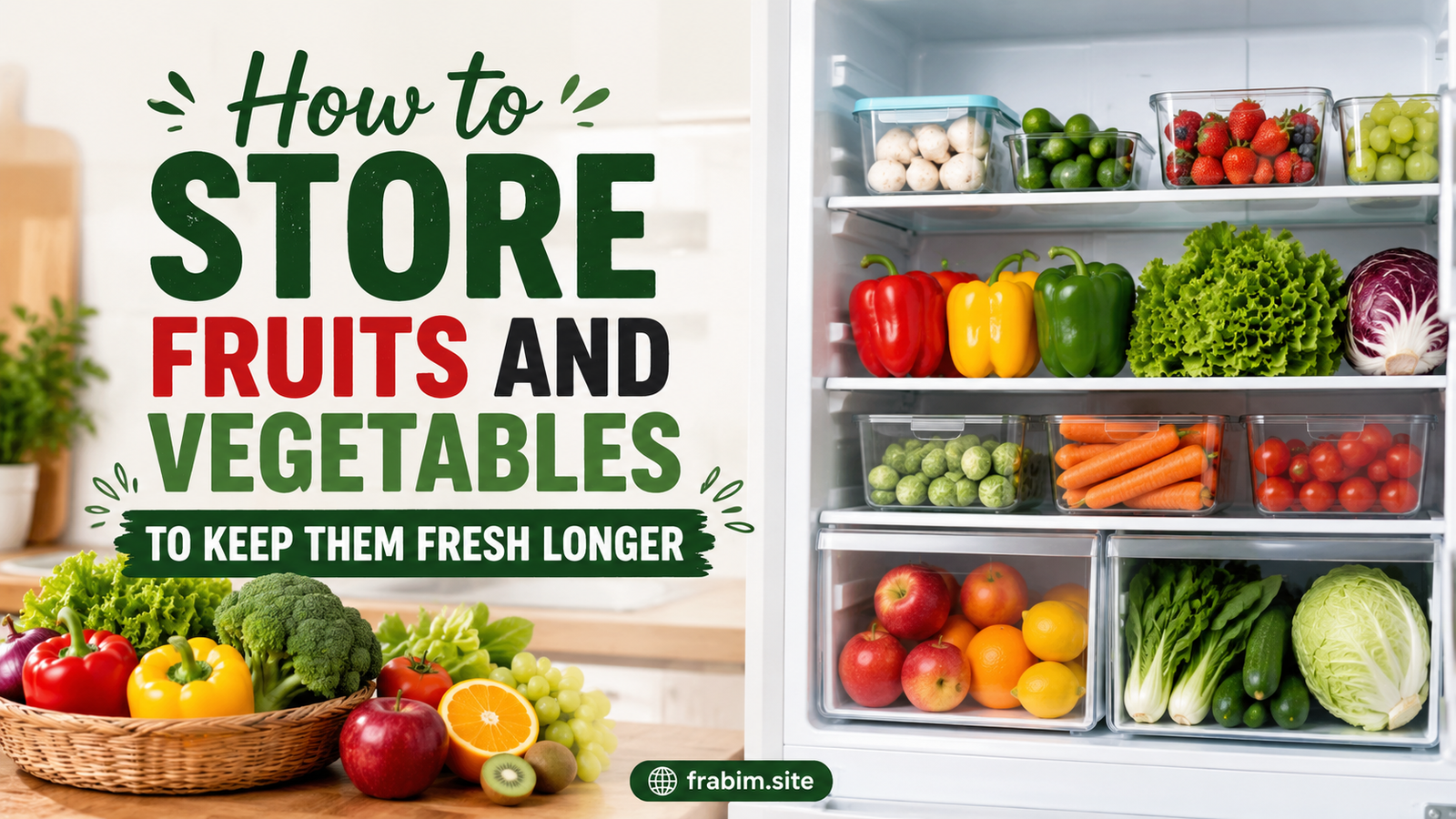
- Store cooked dishes in airtight containers in the fridge for up to 4 days.
- Freeze soups, curries, and stews in individual portions for up to 3 months.
- Keep cut vegetables separate from dressings or sauces until ready to eat to avoid sogginess.
- Label containers with dates so you know what needs to be eaten first.
Serving Suggestions
- Pair stir-fries and curries with steamed rice or naan.
- Serve soups with crusty bread or a side salad.
- Top tacos and quesadillas with fresh salsa, avocado, or a squeeze of lime.
- Add a simple green salad alongside heavier pasta dishes for balance.
- Round out any meal with a piece of fruit or a light dessert.
Frequently Asked Questions (FAQs)
Do I need to take supplements on a vegetarian diet? Many vegetarians get all the nutrients they need from food, but some people benefit from a vitamin B12 or iron supplement, especially if dairy and eggs are limited. Check with a doctor or dietitian if you’re concerned.
Is vegetarian cooking more expensive than cooking with meat? Generally no—staples like beans, lentils, rice, and seasonal vegetables are some of the most affordable ingredients available.
Can I make these recipes vegan? Most of them, yes. Swap dairy and eggs using the substitutions listed above.
How do I get enough protein as a vegetarian? Include a protein source—beans, lentils, tofu, eggs, or dairy—in every meal rather than relying on vegetables alone.
What if I don’t like a vegetable in a recipe? Swap it for another vegetable with a similar cook time. Most stir-fries, soups, and curries are flexible.
Conclusion
Vegetarian cooking doesn’t have to be complicated or restrictive. With a handful of pantry staples, basic kitchen tools, and a few go-to recipes, you can put together satisfying, balanced meals any night of the week. Start with one or two recipes from this guide, get comfortable with the basic techniques, and build from there—you’ll find your own favorites in no time.



Leave a Reply