
Introduction
Healthy eating isn’t about strict rules, deprivation, or chasing the latest diet trend. It’s about giving your body the fuel it needs to feel good, think clearly, and function well — day after day. With so much conflicting nutrition advice online, it’s easy to feel overwhelmed before you even open the fridge. This guide cuts through the noise and lays out a practical, modern blueprint for eating well, no matter how busy your life is.
What Is Healthy Eating?
At its core, healthy eating means consistently choosing foods that nourish your body — a mix of fruits, vegetables, whole grains, lean proteins, and healthy fats — while limiting items that offer little nutritional value. It’s not about perfection or eliminating entire food groups. It’s about balance, variety, and moderation over time. A single meal or snack doesn’t define your health; your overall pattern of eating does.
Why Nutrition Matters for Your Body
Every cell in your body relies on the nutrients you consume. Food is the raw material your body uses to repair tissue, produce energy, regulate hormones, and support brain function. Poor nutrition is linked to fatigue, mood swings, weakened immunity, and long-term risks like heart disease, type 2 diabetes, and certain cancers. On the flip side, good nutrition can boost energy levels, sharpen focus, stabilize mood, and strengthen your body’s defenses against illness.
The Essential Nutrients Your Body Needs
A well-rounded diet includes six core nutrient categories:
- Carbohydrates – your body’s primary energy source, found in grains, fruits, and vegetables
- Proteins – essential for muscle repair, immune function, and hormone production
- Fats – needed for brain health, hormone balance, and absorbing certain vitamins
- Vitamins – support everything from immune health to vision and bone strength
- Minerals – like calcium, iron, and potassium, which regulate critical body functions
- Water – involved in nearly every bodily process, from digestion to temperature regulation
Getting these nutrients from whole, varied foods is generally more effective than relying on supplements alone.
Building a Balanced Plate
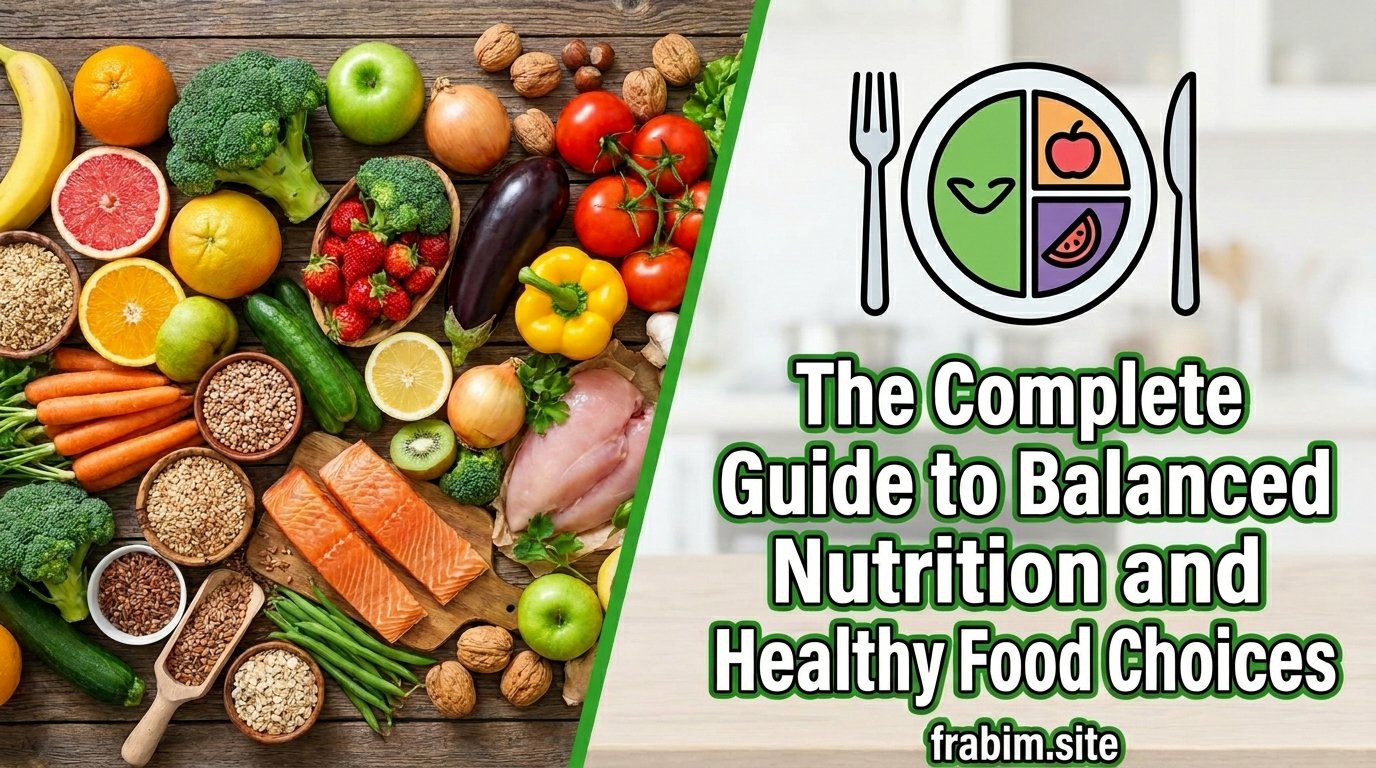
A simple way to visualize healthy eating is the balanced plate method:
- Half your plate: non-starchy vegetables and fruits
- A quarter of your plate: lean protein (chicken, fish, beans, tofu, eggs)
- A quarter of your plate: whole grains or starchy vegetables (brown rice, quinoa, sweet potatoes)
- A small amount of healthy fat: olive oil, avocado, nuts, or seeds
This approach doesn’t require calorie counting or complicated math — it’s a visual guide you can apply to almost any meal.
Best Foods to Include in Your Daily Diet
Some foods consistently deliver high nutritional value per calorie:
- Leafy greens (spinach, kale, arugula)
- Berries (blueberries, strawberries, raspberries)
- Fatty fish (salmon, mackerel, sardines)
- Whole grains (oats, quinoa, brown rice)
- Legumes (lentils, chickpeas, black beans)
- Nuts and seeds (almonds, walnuts, chia seeds)
- Eggs
- Greek yogurt
- Colorful vegetables (bell peppers, carrots, broccoli)
- Avocados
Aim to include a variety of these foods throughout the week rather than relying on the same few items.
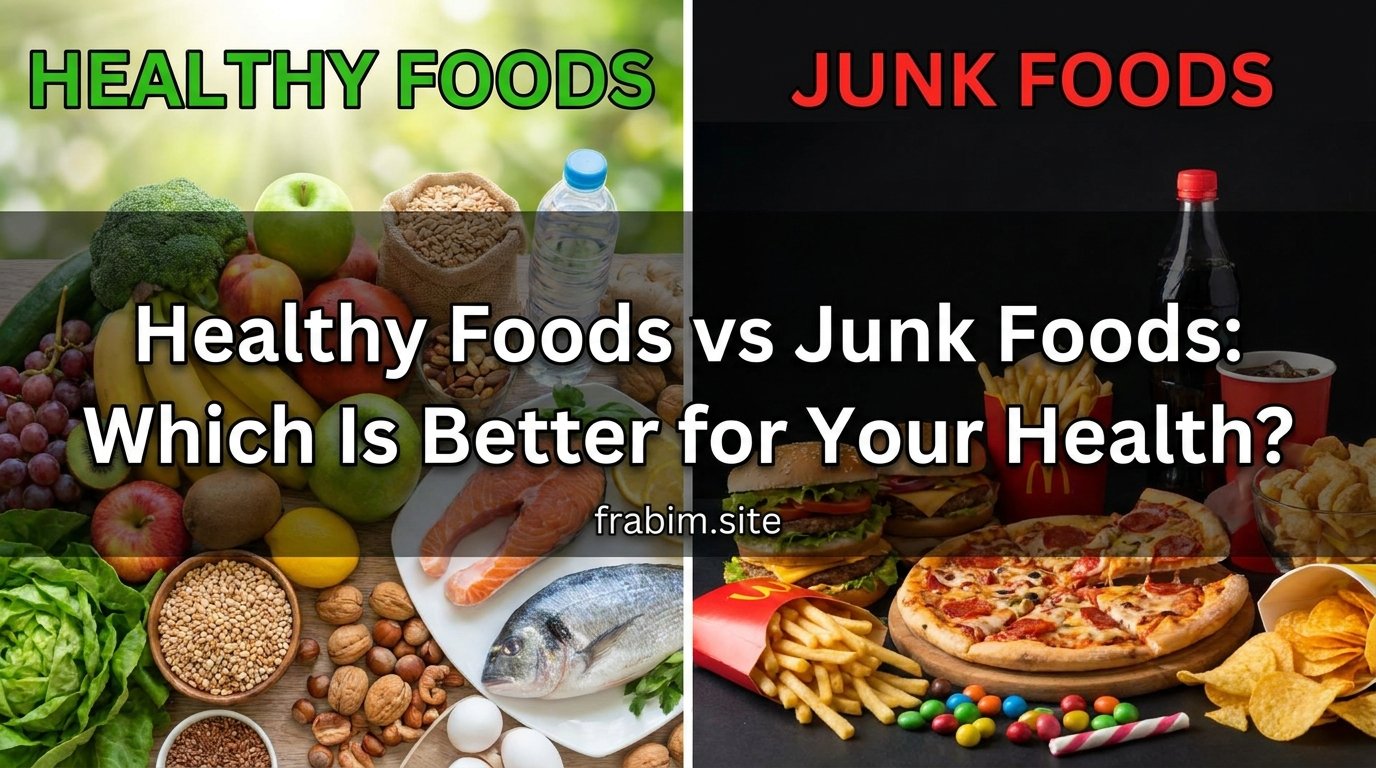
Foods You Should Limit or Avoid
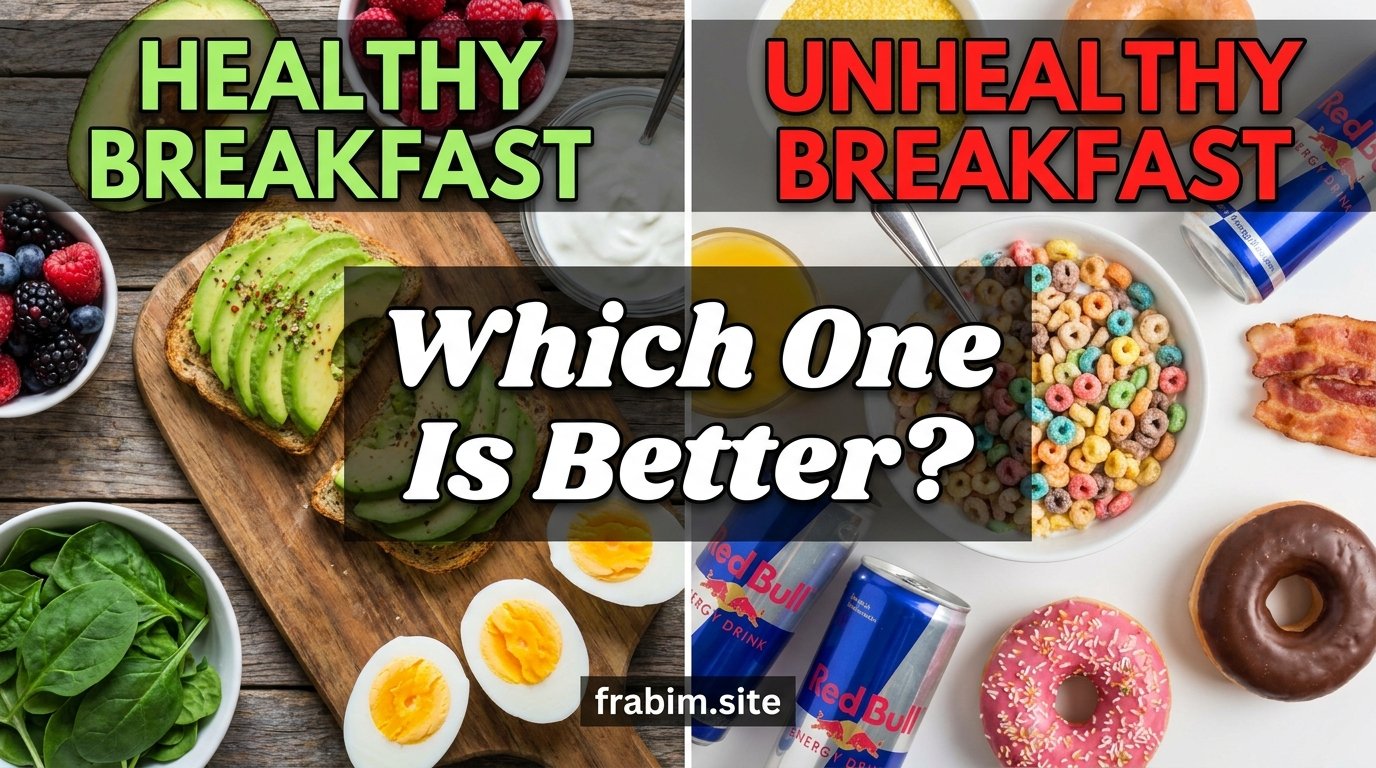
Certain foods offer minimal nutritional benefit and, when eaten frequently, can crowd out healthier choices:
- Sugary drinks and sodas
- Highly processed snack foods
- Refined white bread and pastries
- Foods high in trans fats or excessive added sugar
- Excessive sodium from packaged and fast foods
- Processed and cured meats
These foods don’t need to be eliminated entirely — moderation matters more than total avoidance for most people.
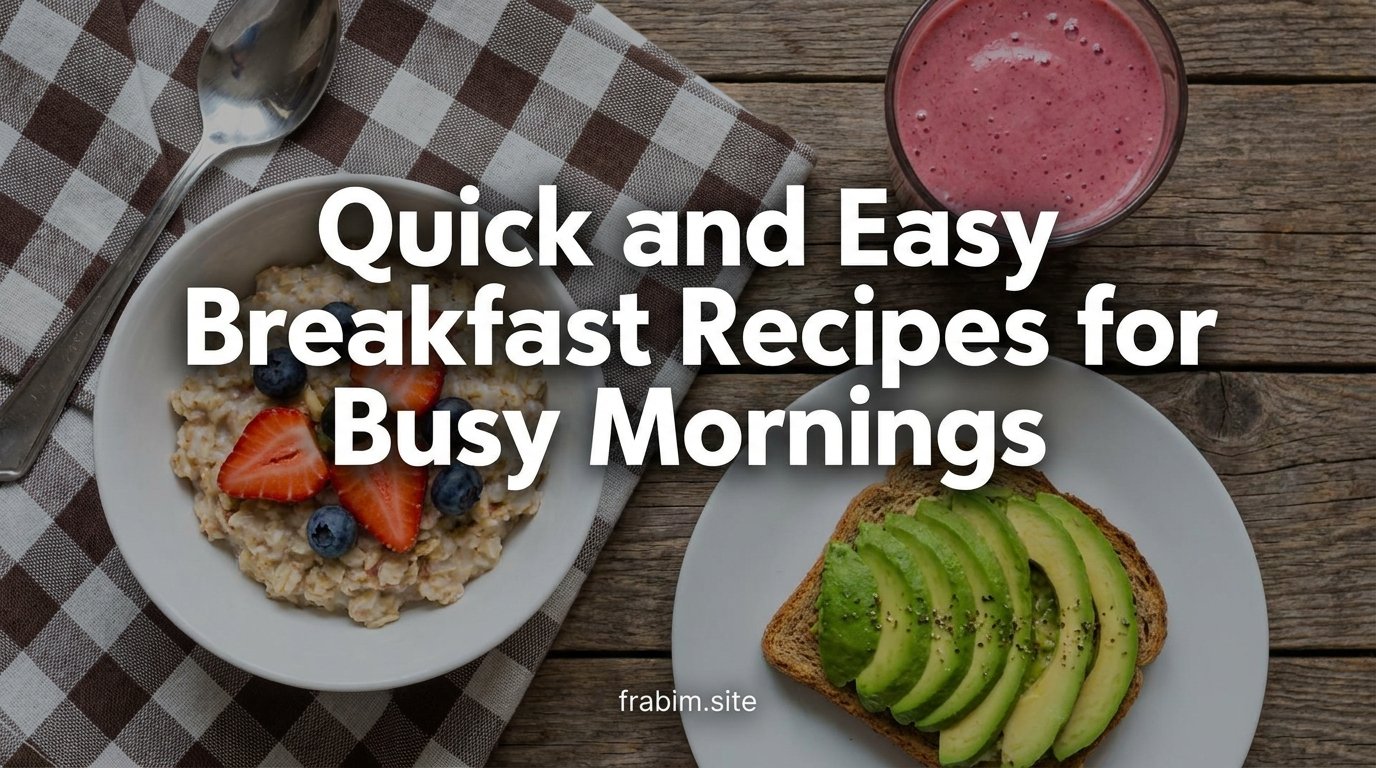
Healthy Eating Habits for Busy Lifestyles
You don’t need hours in the kitchen to eat well. Practical habits include:
- Batch-cooking proteins and grains on weekends
- Keeping pre-washed produce on hand for quick snacking
- Using a slow cooker or instant pot for hands-off meals
- Stocking your pantry with healthy staples (canned beans, frozen vegetables, whole grains)
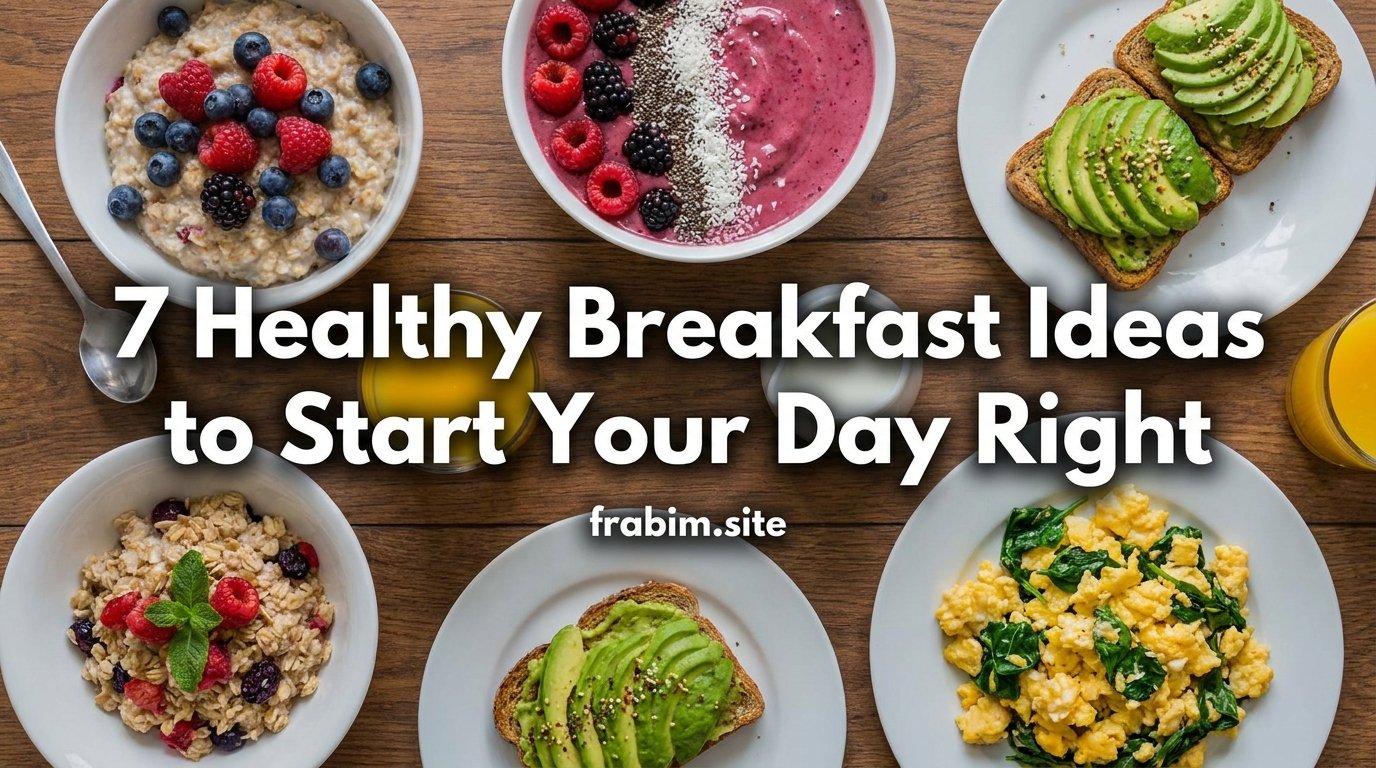
- Prepping simple grab-and-go breakfasts like overnight oats
Small, repeatable systems make healthy eating sustainable, even on hectic days.
The Importance of Hydration
Water plays a role in digestion, joint lubrication, temperature regulation, and nutrient transport. Mild dehydration can cause fatigue, headaches, and difficulty concentrating — symptoms often mistaken for hunger or low energy. While individual needs vary based on activity level, climate, and body size, a common guideline is to drink water consistently throughout the day and let thirst, urine color, and energy levels guide intake rather than rigid fixed targets.
How to Read Nutrition Labels
Understanding nutrition labels helps you make informed choices at the grocery store:
- Serving size: all listed values are based on this amount, not the whole package
- % Daily Value: shows how much a nutrient contributes to a daily diet (5% or less is low, 20% or more is high)
- Added sugars: check this separately from “total sugars,” which includes naturally occurring sugar
- Ingredient list: ingredients are listed by weight, so the first few items make up most of the product
- Sodium and saturated fat: keep an eye on these, especially in packaged and processed foods
Reading beyond the front-of-package marketing claims gives you a clearer picture of what you’re actually eating.
Common Healthy Eating Myths
- “Carbs are bad for you.” Whole, unrefined carbs are an important energy source — the issue is usually refined and added sugars, not carbs as a category.
- “Fat makes you fat.” Healthy fats are essential for hormone health and nutrient absorption; the type and amount matter more than fat alone.
- “Skipping meals helps you lose weight.” This often leads to overeating later and can slow metabolism over time.
- “Detox diets and cleanses are necessary.” Your liver and kidneys already detoxify your body efficiently.
- “All calories are equal.” While calories matter for weight, the nutrient density of food affects satiety, energy, and long-term health differently.
Meal Planning Tips for Beginners
- Start with just 3–4 dinners planned per week rather than every meal
- Choose recipes that share overlapping ingredients to reduce waste
- Make a grocery list based on your planned meals to avoid impulse buys
- Prep ingredients (chopped vegetables, cooked grains) in advance, not full meals, for flexibility
- Keep a rotating list of 10–15 go-to meals to reduce weekly decision fatigue
Healthy Snack Ideas
- Apple slices with almond butter
- Greek yogurt with berries and a drizzle of honey
- Hummus with carrot and cucumber sticks
- A small handful of mixed nuts
- Hard-boiled eggs
- Whole-grain crackers with cheese
- Air-popped popcorn
- Cottage cheese with pineapple
Mistakes People Make When Trying to Eat Healthy
- Cutting out entire food groups without medical reason
- Relying too heavily on “diet” or “low-fat” packaged foods that are often high in sugar
- Not eating enough protein or fiber, leading to frequent hunger
- Setting unrealistic, all-or-nothing goals
- Ignoring portion sizes even with healthy foods
- Skipping meals and then overeating later in the day
Benefits of a Healthy Diet
Consistent healthy eating is linked to:
- Improved energy levels and reduced fatigue
- Better digestion and gut health
- Stronger immune function
- Stable mood and improved mental clarity
- Reduced risk of chronic diseases like heart disease and type 2 diabetes
- Better sleep quality
- Healthier skin and improved weight management
Simple Lifestyle Changes That Support Better Nutrition
- Add one extra serving of vegetables to your day before removing anything else
- Swap sugary drinks for water or unsweetened alternatives
- Practice mindful eating by slowing down and minimizing distractions during meals
- Cook at home more often than ordering out
- Get adequate sleep, since poor sleep is linked to increased cravings for unhealthy foods
- Move your body regularly — nutrition and physical activity work together
Frequently Asked Questions (FAQ)
Do I need to count calories to eat healthy? No. Many people eat well by focusing on food quality and portion awareness rather than tracking every calorie.
Is it okay to eat carbs at night? Yes. The timing of carbohydrate intake matters far less than overall daily diet quality and total intake.
How much protein do I really need? Needs vary by body size, activity level, and goals, but most adults benefit from including a protein source at each meal.
Are supplements necessary for healthy eating? For most people eating a varied diet, supplements aren’t required, though some individuals may benefit from specific ones based on medical advice.
Can I still enjoy treats while eating healthy? Absolutely. Sustainable healthy eating includes room for the foods you enjoy, in moderation.
Final Thoughts
Healthy eating isn’t a short-term fix — it’s a long-term relationship with food built on balance, awareness, and flexibility. Small, consistent changes tend to outlast extreme diets and quick fixes. Start with one or two habits from this guide, build confidence, and let your eating pattern evolve naturally over time. Your body will thank you for it.


Leave a Reply